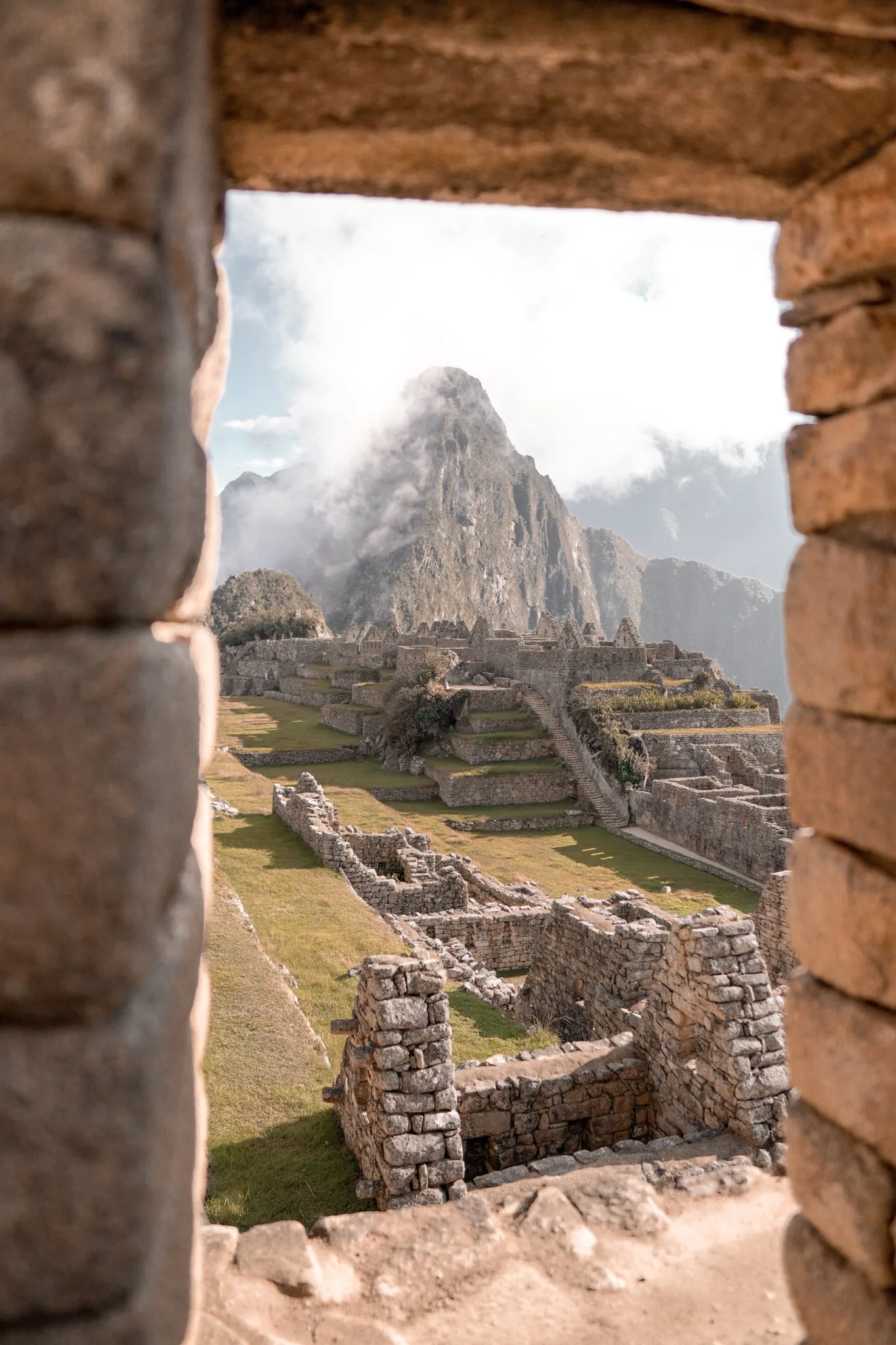
Most people who ask me about this trip have already made the big decision. They already know they want both Peru and the Galápagos on one trip, and they are right to. The two sit close enough on a map that flying home in between makes no sense, and they are different enough that doing them together feels like two vacations in one. The question I actually get is quieter than "should I," and it usually comes with a little worry attached. How do I fit it all in without spending the whole time in transit? What follows is how I think about the handful of choices that decide whether this trip feels spacious or breathless. Most of them come down to time and order.
Start with how many days you have
Everything else bends around this number, so be honest about it. Eleven days is the floor for a comfortable version of the trip. At eleven, most of the time is split fairly evenly between the Peru highlights of the Sacred Valley, Cusco, and Machu Picchu and a four-day Galápagos cruise, with the flights that link the two woven in around them. That connecting travel is less than people tend to fear once it is built into the flow. Plenty of people do exactly that and come home glad they did.
The piece worth understanding before you commit is the cruise, because its length is easy to misread. A four-day cruise is really two full days in the islands. You fly in and get one excursion that afternoon, then one short outing on your final morning before flying back out, so it comes to two full days with a half day on either end. It is a real taste of the Galápagos, and for many people it is the right size.
The more interesting question is what more time buys you, because this trip scales in every direction.
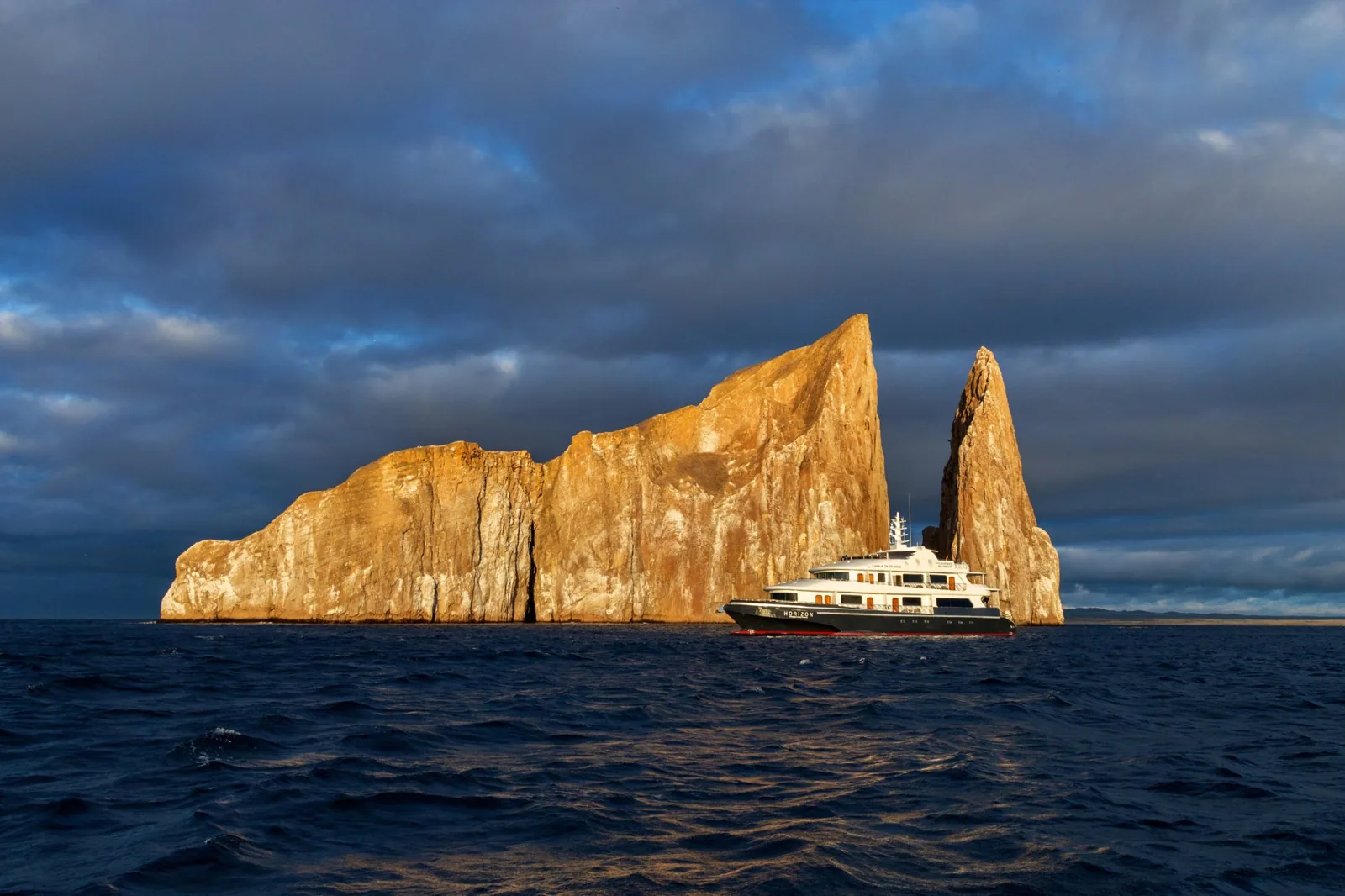
On the Galápagos side, beyond that four-day taste, cruises run to five, six, eight days and more, and the longer sailings reach the farther corners of the archipelago that a short one never touches. That means more landings and more time with wildlife a shorter route cannot get you to. If you have the days to give, this is often where they pay off most. Our Galápagos cruise guide goes deeper on choosing the right one.
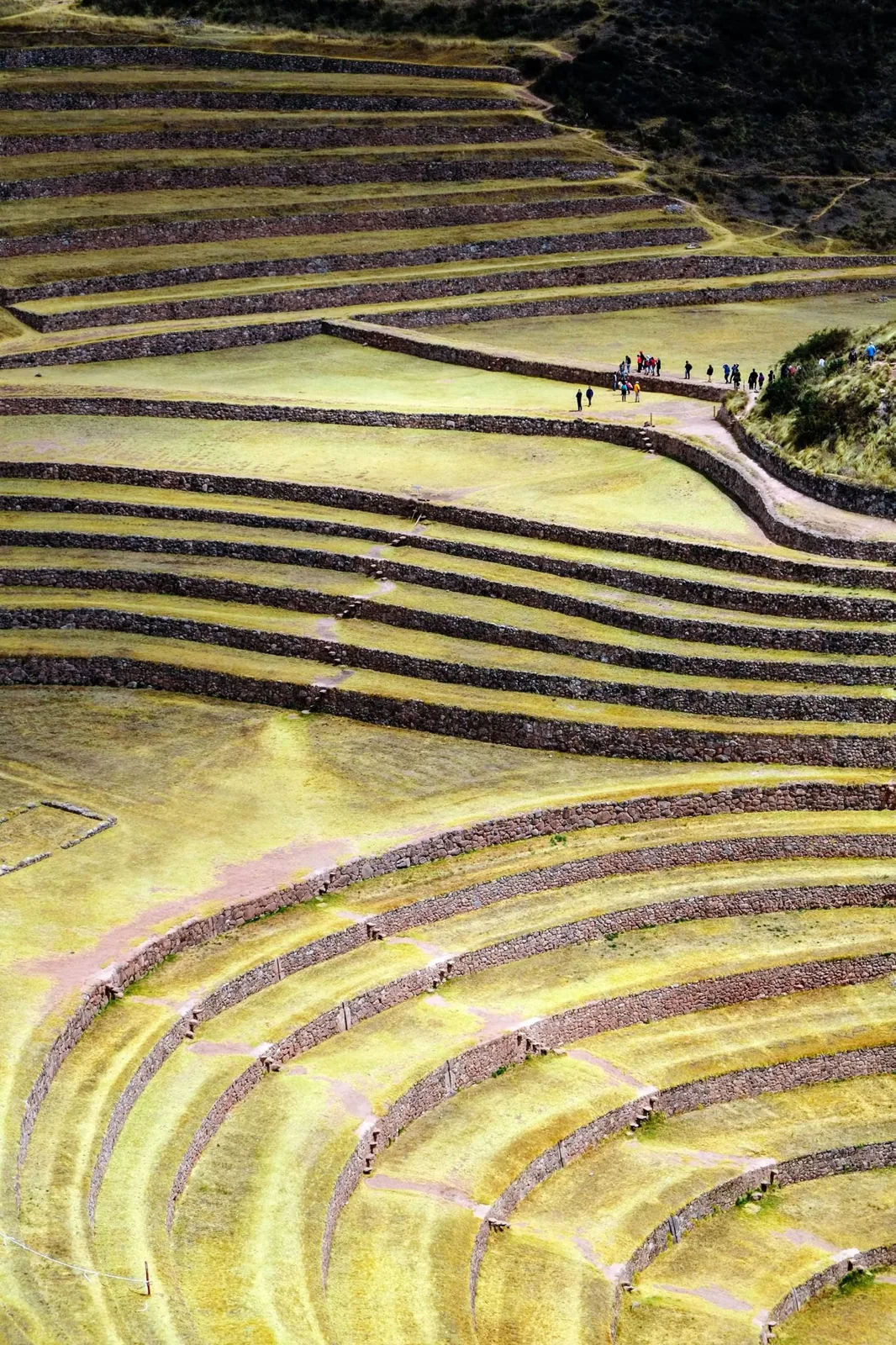
On the Peru side, you can choose what fits your interests best. A second day at Machu Picchu opens a different circuit or one of the classic hikes like Huayna Picchu, Machu Picchu Montaña, or the multi-day Inca Trail. Lima rewards a day or two for its food and its pre-Incan museums. And if you want more, the trip extends naturally into the rainforest, whether that is the Peruvian Amazon alongside Machu Picchu or the Ecuadorian Amazon paired with the Galápagos, or on to somewhere like Lake Titicaca. There is more here than any one trip needs, which is exactly where talking it through with your advisor helps, to narrow the options to the trip that suits you.
Eleven days is the honest floor. From there, add what your time and interest allow, and the trip grows to fit.
Peru first, or the islands first?
Either way works, and this is one of the few real choices on the trip that comes down to preference and timing rather than a right answer.
Personally, I like to end on the Galápagos. By then the flights and the early train mornings in the Andes are behind you, and the cruise lets the boat do the moving while each excursion turns up something remarkable. It makes for a relaxed way to finish. But that is my preference, not a rule, and plenty of trips run the other way for good reasons.
More often than not, the deciding factor is your dates. Cruises sail on fixed departures, so the sailing that best fits your travel window might leave near the start of it or near the end. Say you have a fifteen-day window for an eleven-day trip and want to go in about three months. If the right cruise departs early in that window, you fly to the Galápagos first and come to Peru afterward. If it departs later, Peru leads. We build the trip around the cruise that suits you, and put the two halves in whatever order that calls for.
The one sequence that genuinely matters sits inside Peru, and we handle it the same way every time. We route you through the Sacred Valley before Cusco, on purpose. Cusco sits at about 11,150 feet. The Sacred Valley floor, where you spend your first nights, sits closer to 9,500. That gap does not sound like much on paper. Your body feels it. Arriving from sea level straight into Cusco is how people lose a day to a headache and a rough first night. Starting lower, in the valley, gives you a softer landing and a couple of days to adjust before you spend real time up high. It quietly shapes how good you feel for the rest of your time in Peru.
When to go
Timing is the one piece where the two destinations ask slightly different things of the calendar, and it is simpler than it looks once you know the shape of it.
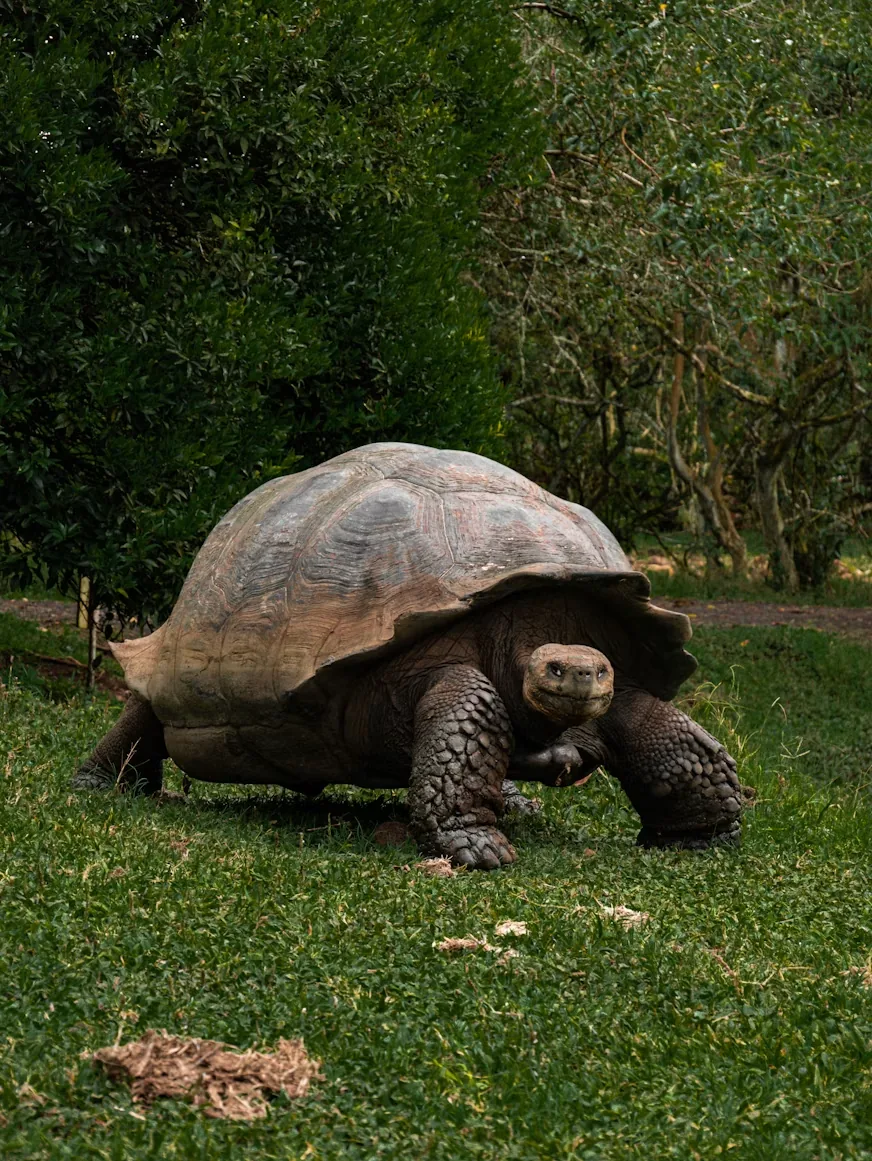
Start with the Galápagos, because it makes the rest easy. It is a true year-round destination, and both of its seasons are good. They just offer different things. From about December into May the weather is warmer and the seas calmer, the water is at its clearest for snorkeling, and the islands are busy with courtship and nesting. From about June into November the air and water turn cooler, richer currents draw more marine life toward the coast, the seabirds are especially active, and the mild temperatures make the walking comfortable. There is no bad month to go.
That means your dates really come down to Peru. Peru's better-weather window runs roughly from April into early November. The core dry months of May through October give you clear skies over Machu Picchu and firm footing on the trails, and April and early November sit on the shoulders, usually dry with the odd passing shower. The wetter stretch is really December through March, heaviest around February and March. Even then the rain tends to come as showers, often in the afternoon, rather than all day, and what you get in return is a green, dramatic landscape and far thinner crowds.
So if your dates are flexible, aim for that April-to-early-November window, and any month in it pairs well with the islands. May, September, and October are especially easy, dry in Peru and comfortable at sea. If your free time falls in the greener Peru months, the trip is still well worth doing. Some travelers in that season add a second day at Machu Picchu to improve their odds of catching a clear, sunny view.
The two decisions that carry the most weight
Two choices inside the trip matter more than all the rest. Get these right and the trip largely takes care of itself.
The first is your Machu Picchu entry. The site changed how it works, and it is stricter than it used to be. You enter on an assigned circuit at a set time, you have about four hours inside, and the good tickets sell out three or more months ahead in the busy season. That is the logistics side, and it is the part we handle so you are not refreshing a government booking page at midnight. The choice that actually shapes your visit is timing. We book the afternoon entry rather than the morning. The early trains from Cusco pour the day's first wave into the site, and by early afternoon that wave has moved on. You get thinner crowds, softer light across the terraces, and space to stand still without someone waiting for your spot. If you want the full detail on trains, circuits, and the trek routes, our Machu Picchu access guide covers it.
The second is choosing your cruise, and here the honest answer is that a few things matter and they all pull real weight: how many days you sail, which islands the route covers, the size and comfort of the vessel, and how it all fits your dates. The route is worth weighing, since the islands are not identical and a few animals, like the waved albatross on Española or the penguins out west, turn up on some itineraries and not others. But the archipelago is so rich with wildlife that it is genuinely hard to choose wrong. Think of the route as one of several things to get right, alongside the vessel and the timing, rather than the single deciding factor. Our Galápagos cruise guide walks through how to balance them.
Book earlier than feels necessary
A note on timing your booking, because this trip has more moving pieces than most, and the good ones fill up early.
The best cabins on the best routes go first, often close to a year out for peak dates, and 2027 sailings are already booking. Machu Picchu tickets for the good entry times fill up months ahead. Add the internal flights, the Sacred Valley hotels worth staying in, and the fact that all of it has to link into one continuous chain, and you can see why the trips that come together smoothly are the ones that started early. This is not meant to rush you. It is just the plain reason we tell people to start the conversation six to twelve months out, and further ahead for the busy windows.
In short
That is most of what I would want a friend to know before planning this one. Be honest about your days, give the Galápagos real time on the water, go into the altitude gently, and choose your dates and your cruise with care. The rest is detail, and detail is the part we take off your hands.
Every trip we build gets shaped to the person taking it, and a portion of what we earn goes back to the communities and conservation work in the places these trips visit, groups like the Sacred Valley Project in Peru. If you want to see one version of this trip laid out day by day, you can download a sample itinerary, or just tell me roughly when you are thinking of going and we will start from there.