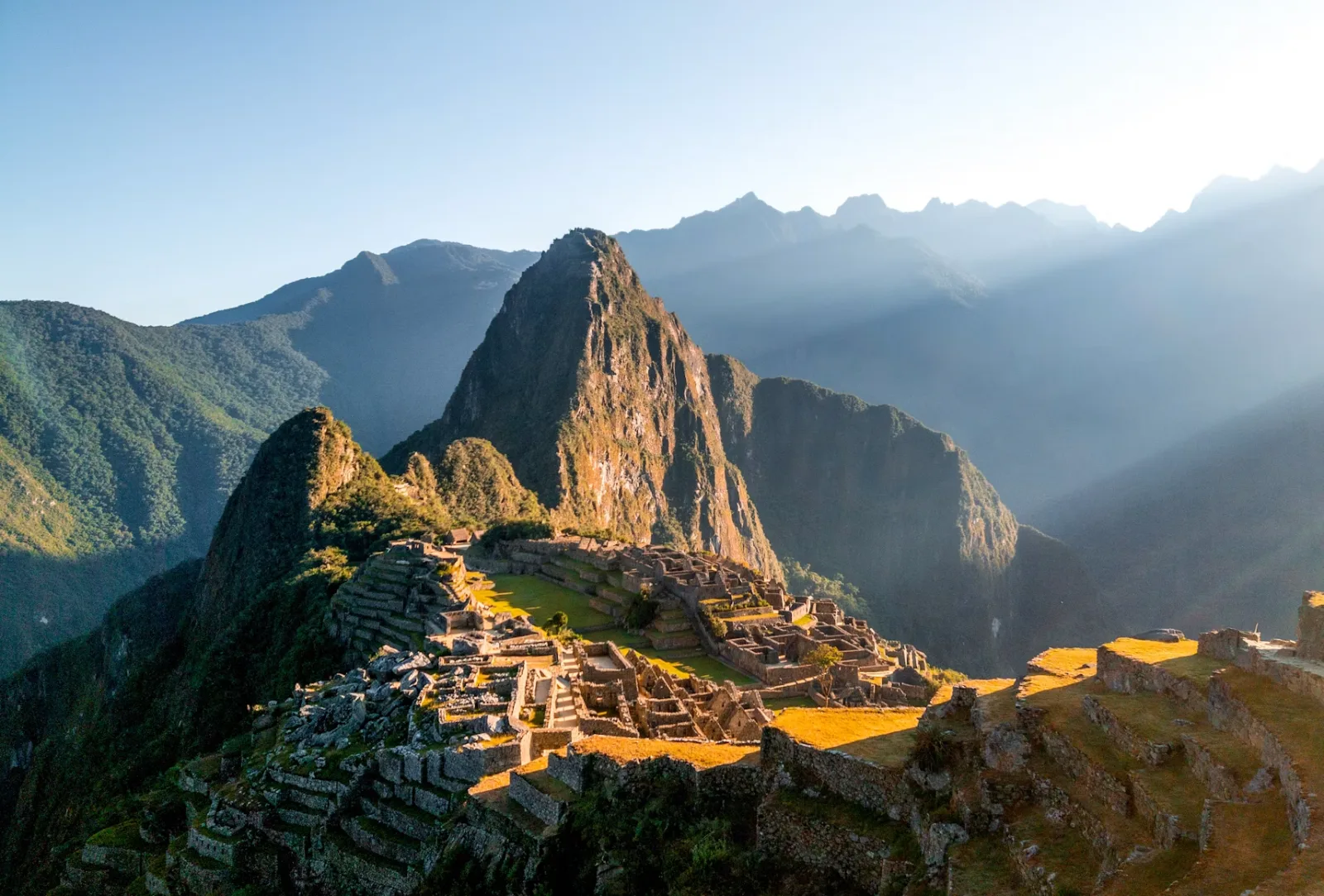
Machu Picchu is one of those places that needs no selling. But getting there? That's where the real decisions are. There are at least four hiking routes, two train companies, three citadel circuits that didn't exist a few years ago, and a permit system that can lock you out if you wait too long. Here's the insider knowledge that turns a good trip into the right one.
First Things First: The New Circuit System
If you visited Machu Picchu before 2024, forget what you remember about wandering freely through the ruins. Peru's Ministry of Culture overhauled the entire visitor system, and as of 2026, the citadel is divided into three fixed circuits with ten defined routes. You pick one when you buy your ticket, and that's what you walk. No backtracking, no freestyle exploration.
This catches a lot of people off guard, and it matters because it affects how you plan everything else, from which trail you hike to what time your train arrives.
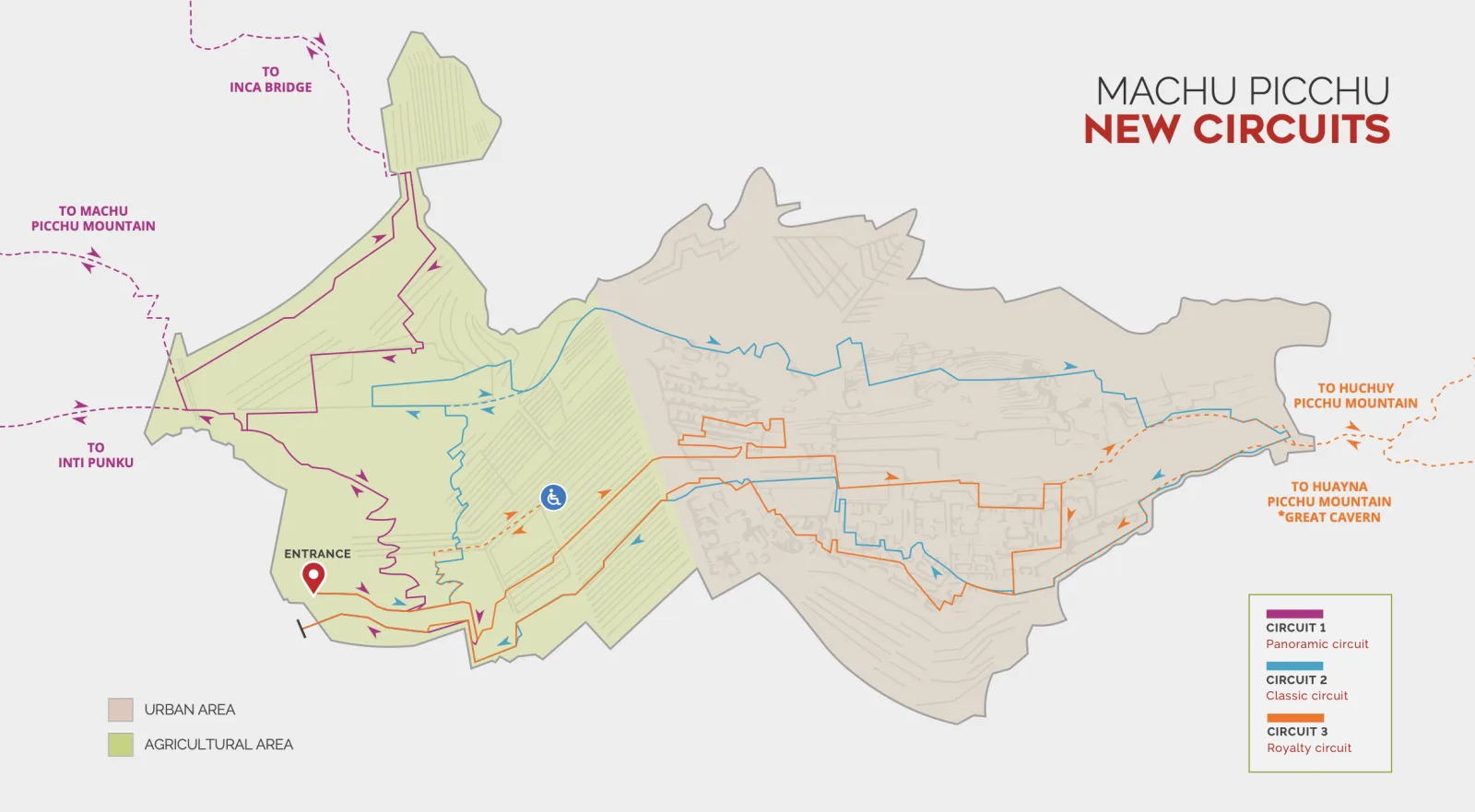
The three circuits in brief:
- Circuit 1 (Panoramic): Upper terraces and the Guardian House area. Best views for photography, including the classic postcard angle. Doesn't take you down into the ruins themselves. Options to add the Sun Gate, Inca Bridge, or the Machu Picchu Mountain hike. About 2-3 hours.
- Circuit 2 (Classic): The one most first-timers want. Covers roughly 90% of the citadel, including the main temples, Intihuatana stone, and Temple of the Condor. About 2-3 hours. This is also the ticket that sells out fastest, often months ahead for peak-season dates.
- Circuit 3 (Royalty): Lower section only. Focuses on the Temple of the Sun, Royal Tomb, and ceremonial structures. Pairs with the Huayna Picchu or Huchuy Picchu hikes. Shorter walk, about 1.5 hours for the circuit itself.
All tickets are timed to a specific one-hour entry window (6am, 7am, 8am, and so on through the afternoon). Capacity is capped at roughly 4,500 visitors per day in regular season, with a slight increase to around 5,600 during high season. Circuit 2 tickets for June through September dates can sell out two to three months in advance.
The Hiking Routes Compared
This is usually where the real deliberation happens. There are four main trekking routes that bring you to or near Machu Picchu, and they attract very different travelers. All of them are worth doing. None of them are interchangeable.
Classic Inca Trail — 4 Days / 3 Nights
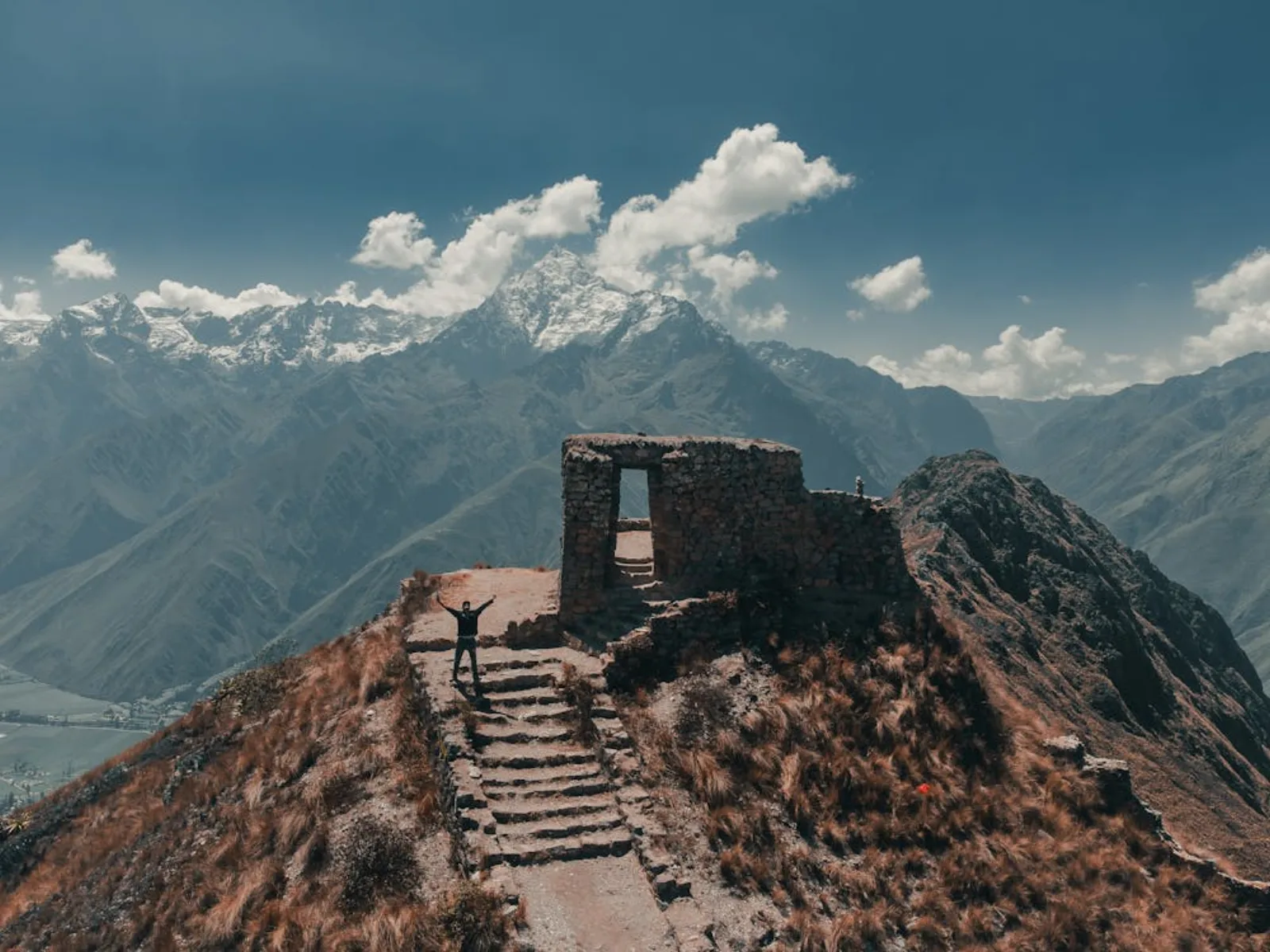
The original. Starts at Km 82, follows the actual Inca road network past several archaeological sites, and enters Machu Picchu through the Sun Gate at dawn on day four. That arrival is what makes people emotional. No other route gives you that entrance.
- Distance: ~42 km (26 miles)
- High point: 4,215m (13,828 ft) at Dead Woman's Pass
- Difficulty: Moderate to hard
- Permits: ~200 trekker spots per day (500 total including porters and guides)
- Best season: April through October. Closed in February for maintenance.
Porters carry your gear and a cook prepares meals at camp. It's strenuous but not technical, and you don't need mountaineering experience. You do need to be comfortable at altitude and on your feet for 6-8 hours a day. Permits are limited and peak-season dates (June, July) sell out within weeks of opening, so early planning is essential.
Short Inca Trail — 2 Days / 1 Night
Starts at Km 104, skipping the first two days of the classic route. You hike through cloud forest, pass the ruins at Wiñay Wayna, and arrive at Machu Picchu through the Sun Gate on the same day. You still get that iconic entrance, just without the multi-day camping commitment.
- Distance: ~12 km (7.5 miles)
- High point: 2,700m (8,860 ft)
- Difficulty: Moderate
- Permits: Separate quota, less competitive than the 4-day
- Best season: April through October. Closed in February.
Good for travelers who want the trail experience but don't have four days, or who aren't confident about three nights of camping at altitude. You sleep in Aguas Calientes and visit the citadel the next morning.
Salkantay Trek — 5 Days / 4 Nights
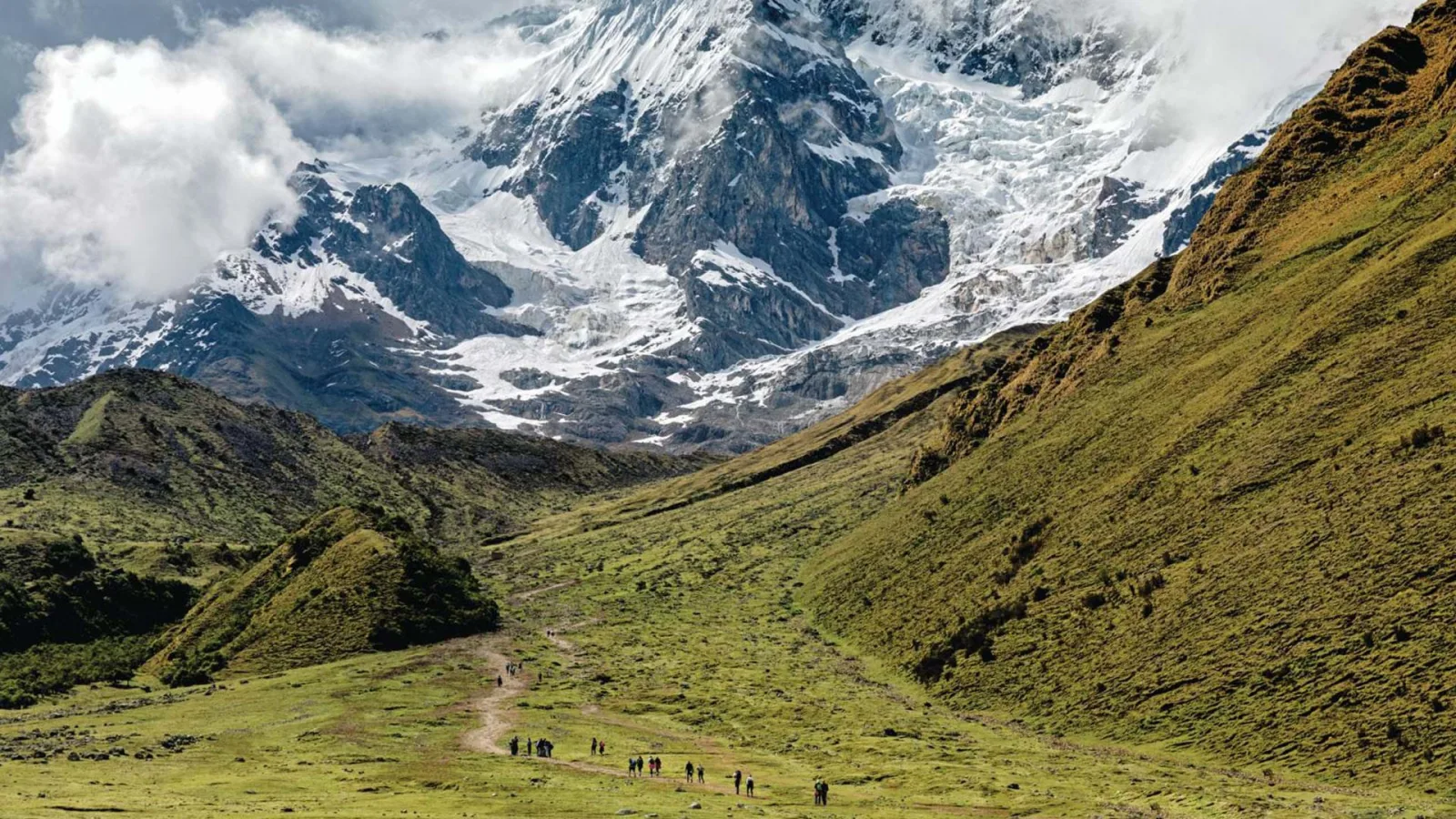
The Salkantay is the route people choose when they want a serious mountain trek, not just a path to Machu Picchu. The pass sits at over 15,000 feet with snow-capped peaks on either side, then you descend through completely different ecosystems into cloud forest and subtropical jungle before ending near Aguas Calientes.
- Distance: ~74 km (46 miles)
- High point: 4,630m (15,190 ft) at Salkantay Pass
- Difficulty: Hard
- Permits: No government permit required
- Best season: April through October
The landscape variety is what sets it apart. No Inca ruins along the way, but the scenery is more dramatic than the Inca Trail. No permit lottery, either, which makes it a strong backup if classic trail dates are gone. It does require a good level of fitness. The pass day is long and the altitude is real.
Lares Trek — 3-4 Days / 2-3 Nights
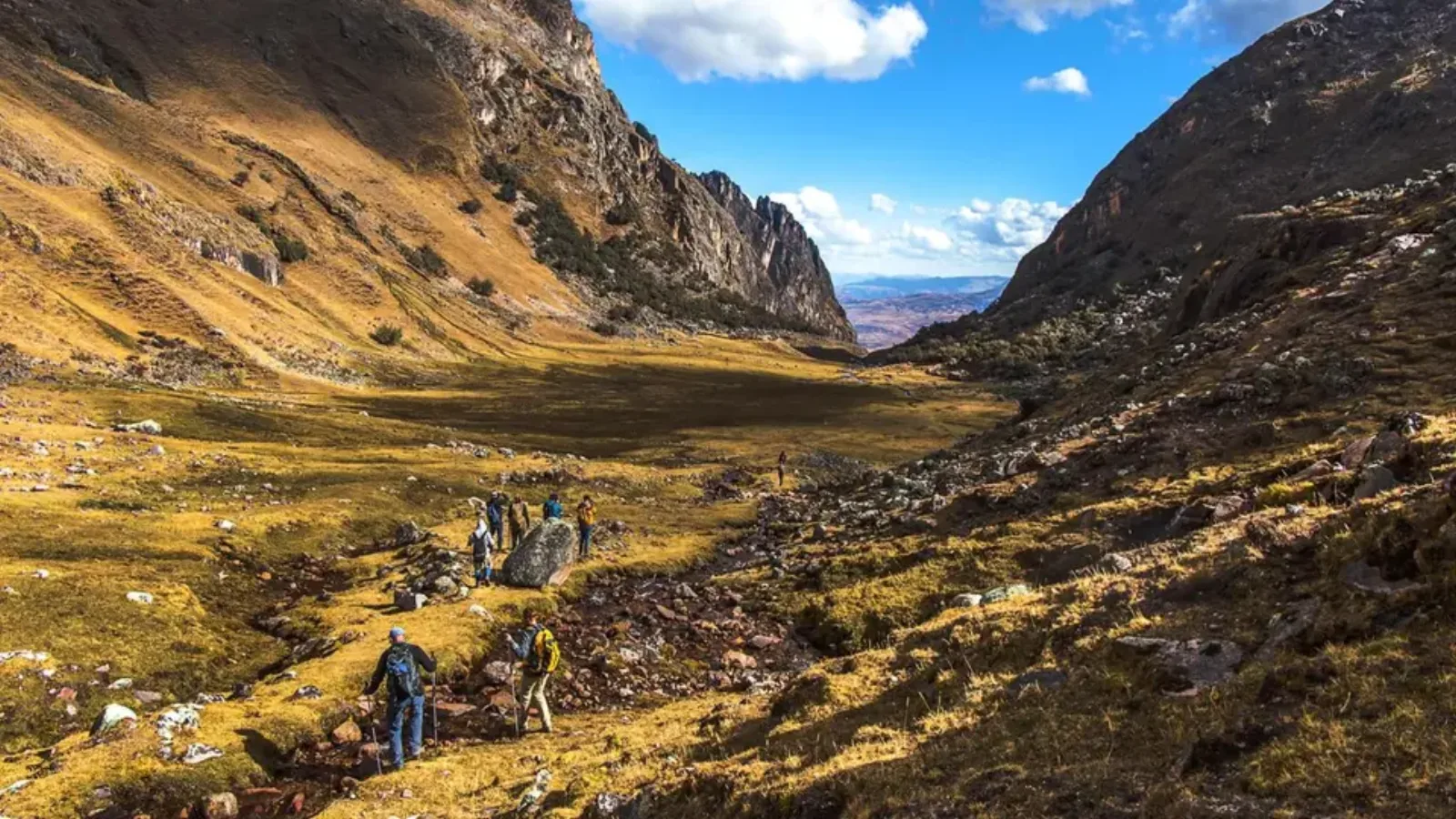
The Lares is what you choose when the hiking is secondary to the cultural experience. The route passes through remote Quechua communities where people still weave textiles using pre-Columbian techniques and live a way of life that hasn't changed much in centuries.
- Distance: ~33 km (20 miles)
- High point: ~4,400-4,600m (14,400-15,100 ft)
- Difficulty: Moderate
- Permits: No government permit required
- Best season: Year-round (a good wet season option when other routes are less appealing)
The trek is beautiful, with glacial lakes and mountain views, but it's less physically demanding than either the Inca Trail or Salkantay. It ends in the Sacred Valley, and you take a train to Aguas Calientes for Machu Picchu the following day. Fewer crowds on the trail. Also a good option for combining with the Short Inca Trail for the best of both worlds.
A note about altitude: every route on this list involves time above 4,000 meters (13,000+ feet). Cusco itself sits at 3,400m. Altitude sickness doesn't discriminate by age or fitness. We typically have clients spend their first two nights in the Sacred Valley (2,800m), which is lower than Cusco and a much gentler place to acclimatize. From there you head to Machu Picchu, and then finish your time in the region in Cusco. That sequencing matters: you're saving the highest-altitude destination for when your body has had a few days to adjust.
The Train Options, Explained Honestly
If you're not hiking to Machu Picchu, you're taking a train. There's no road to Aguas Calientes, the town at the base of the mountain. The rail journey follows the Urubamba River through the Sacred Valley and into cloud forest, and the scenery alone makes it worthwhile.
Two companies operate the route: PeruRail (the older, larger operator, and the company behind the Hiram Bingham luxury train) and Inca Rail (launched in 2009, with a more design-forward approach). Each offers several tiers, from standard service to full luxury.
Standard: PeruRail Expedition / Inca Rail Voyager
Standard comfortable seats, side windows, snacks for purchase. The Expedition is the no-frills option and it's perfectly fine. The Voyager adds panoramic windows and a slightly more polished experience at a modest premium. Either works well for return legs after a long day at the site.
Mid-Range: PeruRail Vistadome / Inca Rail 360°
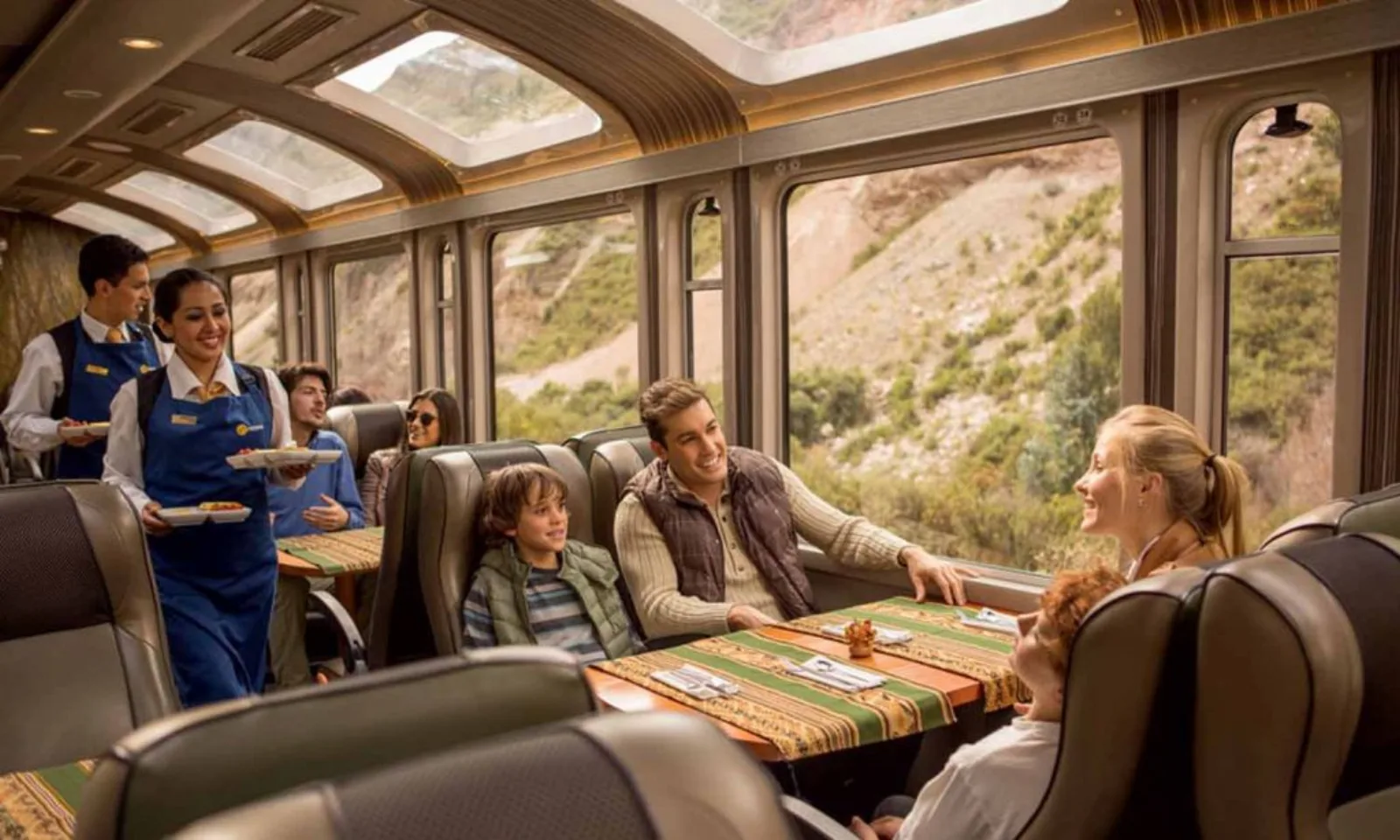
This is where most of our clients land. The Vistadome has panoramic windows including ceiling panels, live entertainment, and complimentary snacks. The 360° offers a more modern design aesthetic with an open-air observation platform. For a first visit, the Vistadome ceiling windows are worth the upgrade. In the last 15-20 minutes before Aguas Calientes, as the train drops into the cloud forest and the gorge closes in overhead, those ceiling panels change the experience. On a return trip, the standard Expedition covers the same ground and is a perfectly good choice.
Luxury: Inca Rail First Class / Hiram Bingham
The First Class is Inca Rail's top tier: spacious seating, premium bar, gourmet menu, live music. Good for couples and special occasions.
And then there's the Hiram Bingham. Operated by Belmond, this restored 1920s Pullman-style train is less a mode of transportation and more an experience in its own right. The journey includes a gourmet multi-course lunch with wine and cocktails on the way to Machu Picchu, a guided tour of the citadel with your own Belmond guide, afternoon tea at the Belmond Sanctuary Lodge (the only hotel at the entrance to the ruins), and a full dinner with live music and open bar on the return. The open-air observation car, with its polished wood and brass finishes, is a beautiful place to watch the valley unfold. For travelers who want the journey to feel as memorable as the destination, this is how you do it.
A few things worth knowing: most trains depart from Ollantaytambo in the Sacred Valley, not from Cusco itself. The journey from Ollantaytambo to Aguas Calientes takes about 1.5 hours. During certain times of year (typically the rainy season), some services run as a bimodal departure from Cusco, which means you start with a private bus transfer to the valley and then board the train there. That adds to the overall travel time, so it's worth confirming the current schedule when booking.
When to Go: Seasonality Matters More Than You'd Think
Peru's trekking and sightseeing calendar divides cleanly into two seasons, and the difference between them isn't subtle. If you're hiking, this is one of the most important decisions you'll make.
Dry Season: May through October
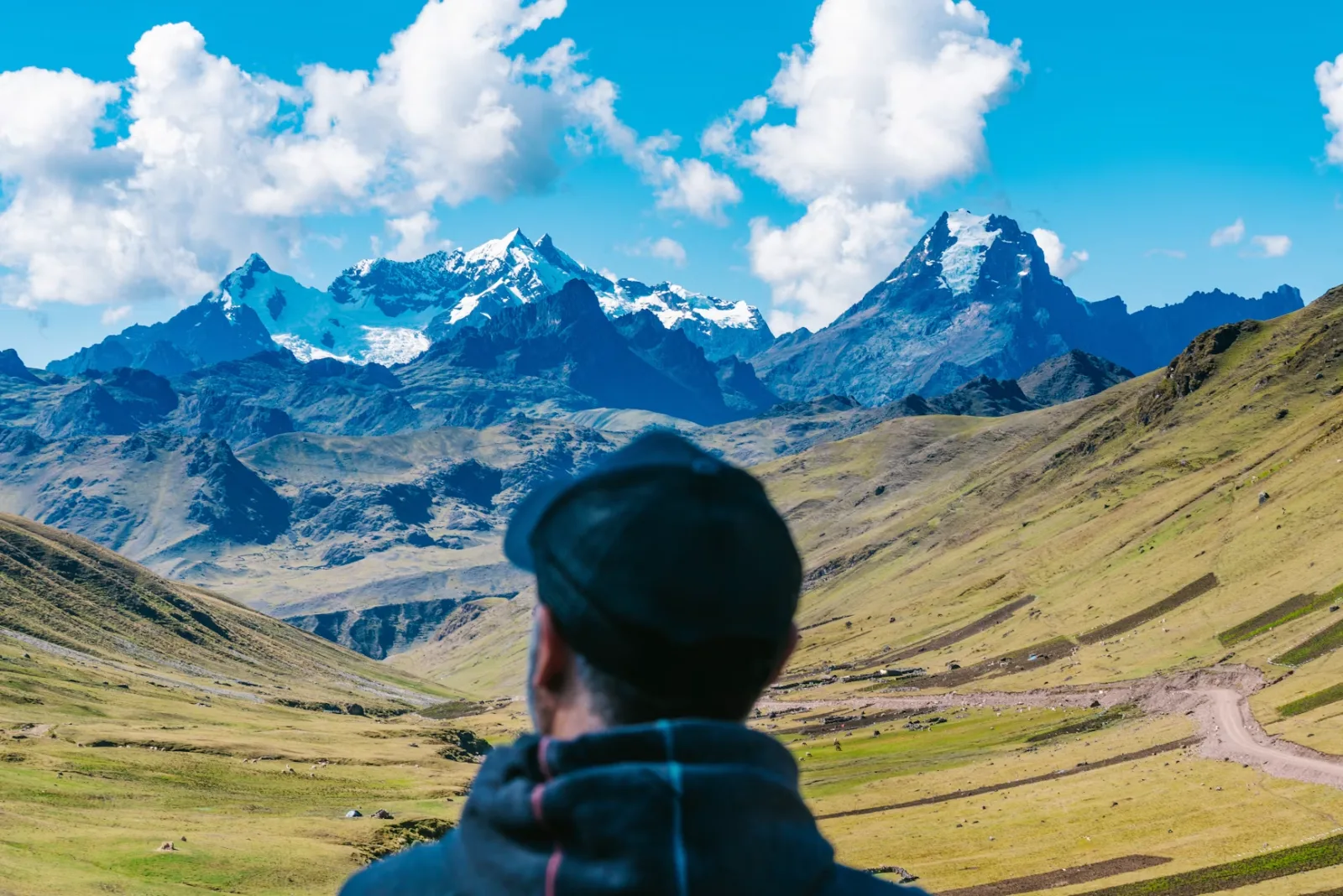
Clear skies, cold mornings, and the best trekking conditions. June through August is the peak within the peak: driest weather, highest crowds, and the hardest time to get permits. The trails can feel dusty by August. May and September-October offer nearly the same conditions with fewer people and better pricing.
Green Season: November through April
November through April is the green season. You can expect afternoon showers, sometimes lasting an hour or so before clearing, with mornings that are often bright and clear. January and February see the most rainfall, and the Inca Trail closes in February for annual maintenance. The tradeoff is worth considering, though: the landscape is at its most lush and vibrant, the citadel is noticeably less crowded, and there's something special about seeing the ruins with clouds moving through the mountains around you. March and November sit at the edges of the season and can be surprisingly pleasant.
The Sweet Spots
In our experience: April-May and September-October. Dry enough for comfortable trekking, clear enough for good citadel views, and noticeably less crowded and less expensive than June through August. September in particular is a month we steer a lot of clients toward. The weather is reliable, permits are easier to secure, and the site feels less hectic.
If you're taking the train and not hiking, the season matters less for logistics but still affects your experience at the citadel. A clear morning in the dry season vs. a misty morning in the green season are meaningfully different visits. The mist and shifting clouds can actually be quite atmospheric, and the green season crowds are thin enough that you get more space to yourself in the ruins.
The Permit Situation (And Why It Matters More Than You Think)
This is the part of Machu Picchu planning that trips people up the most, so let's be specific.
Inca Trail Permits
Only 500 permits per day are issued for the classic Inca Trail. That number includes guides, porters, and cooks, so the actual trekker spots are closer to 200-250 per day. The permits can only be purchased through a licensed Peruvian tour operator. You cannot buy one independently.
- June-August (peak): Sell out 4-6 months ahead. July dates can go within weeks of opening.
- April-May, September-October (shoulder): 2-4 months ahead. More breathing room, but don't wait.
- November-March (green season): Usually available closer to departure. Trail closed in February.
Permits go on sale in October for the following year. They're non-refundable and non-transferable, tied to your passport number. If your passport details are wrong on the permit, you will be turned away at the trailhead with no appeal process. Worth double-checking.
Machu Picchu Citadel Tickets
Separate from the trail permit and purchased through the Peruvian government's ticketing system. Circuit 2 (Classic) tickets for high-season dates should be secured at least 60 days in advance. Circuits 1 and 3 are generally easier to get. This is something we coordinate for all of our clients as part of the itinerary planning, along with timed entry windows and train connections, so the logistics stay seamless.
One tip that's worth knowing: if your schedule allows, consider spending two days at Machu Picchu with a different circuit each day. You see a fundamentally different side of the citadel on each route. Circuit 2 gives you the full interior walkthrough with the temples and residential sectors. Circuit 1 gives you the elevated panoramic views and the option to hike up to the Sun Gate or Machu Picchu Mountain. Doing both, on separate mornings, is the most complete experience you can have at the site.
Salkantay and Lares
Neither route requires a government trekking permit. This is one of their biggest practical advantages. You still need a Machu Picchu entry ticket, of course, but the treks themselves are open. This makes them excellent fallback options if Inca Trail dates are gone, which happens more often than people expect.
Inca Trail permits, citadel circuit tickets, timed entry windows, train schedules, altitude sequencing: there are a lot of moving parts in a Machu Picchu trip, and getting one piece wrong can cascade into the rest. This is what we do every day. We handle the full coordination so you can focus on the experience rather than the logistics. Get in touch and we'll build the right itinerary for you.
Matching the Route to the Traveler
Rather than declaring one route "the best," here's how we typically advise clients based on what we know about them.
- Active couple on their first trip, with a week to spare: [Classic 4-day Inca Trail](/our-destinations/peru/incan-footsteps). Book early. Start with two nights in the Sacred Valley for acclimatization and to explore Ollantaytambo and Moray. Circuit 2 ticket for the morning after you arrive through the Sun Gate. Finish with a night or two in Cusco.
- Family with teenagers: Short Inca Trail (2-day) for the Sun Gate arrival without the multi-day camping commitment. Vistadome train one direction, hike the other. Spend a full day at the citadel.
- Experienced hikers who want a physical challenge: Salkantay Trek. Five days, dramatic terrain, and no permit lottery to deal with. Combine with a separate day at Machu Picchu at the end.
- Travelers more interested in culture than peak-bagging: Lares Trek, ideally combined with the Short Inca Trail so you still enter through the Sun Gate. The community visits and weaving demonstrations give a different perspective on Peru than most tourists get.
- Older travelers or those with limited mobility: Train to Aguas Calientes, stay overnight, visit the citadel first thing in the morning with a private guide. Circuit 2 or Circuit 3, depending on how much walking feels comfortable. The Hiram Bingham adds luxury to the journey if budget allows.
- Return visitors who've done the classic trail: Salkantay or Lares for a completely different perspective. Or skip the trek entirely and spend the time exploring the Sacred Valley in depth, then visit the citadel by train with a focus on a different circuit than last time.
Beyond Machu Picchu: Extending Your Peru Trip
This could be its own article (and probably will be), but if you're already coming to Peru, it's worth knowing what else is within reach. Most of our clients spend 10-14 days total, and the best itineraries build in at least one or two experiences beyond the Sacred Valley.
Lake Titicaca
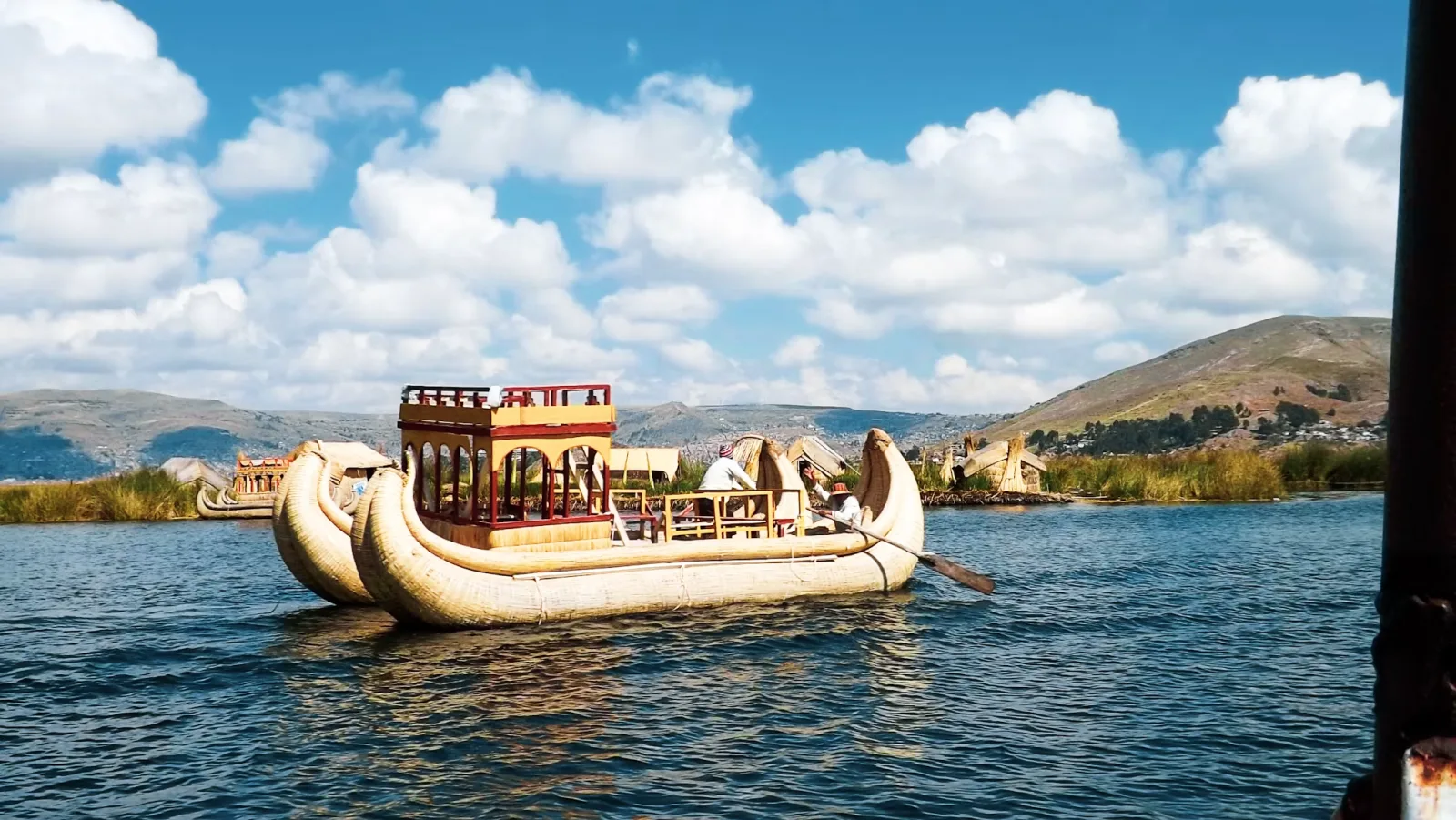
The world's highest navigable lake, straddling the Peru-Bolivia border at 3,812 meters. The Uros floating islands are the famous draw (reed platforms where families have lived for generations), but the real depth comes from visiting Taquile Island, where the community maintains textile traditions recognized by UNESCO. PeruRail's Andean Explorer is a luxury sleeper train that connects Cusco to Puno (the gateway to Titicaca), making the journey between the two a destination in itself. Budget 2-3 extra days.
The Amazon Basin
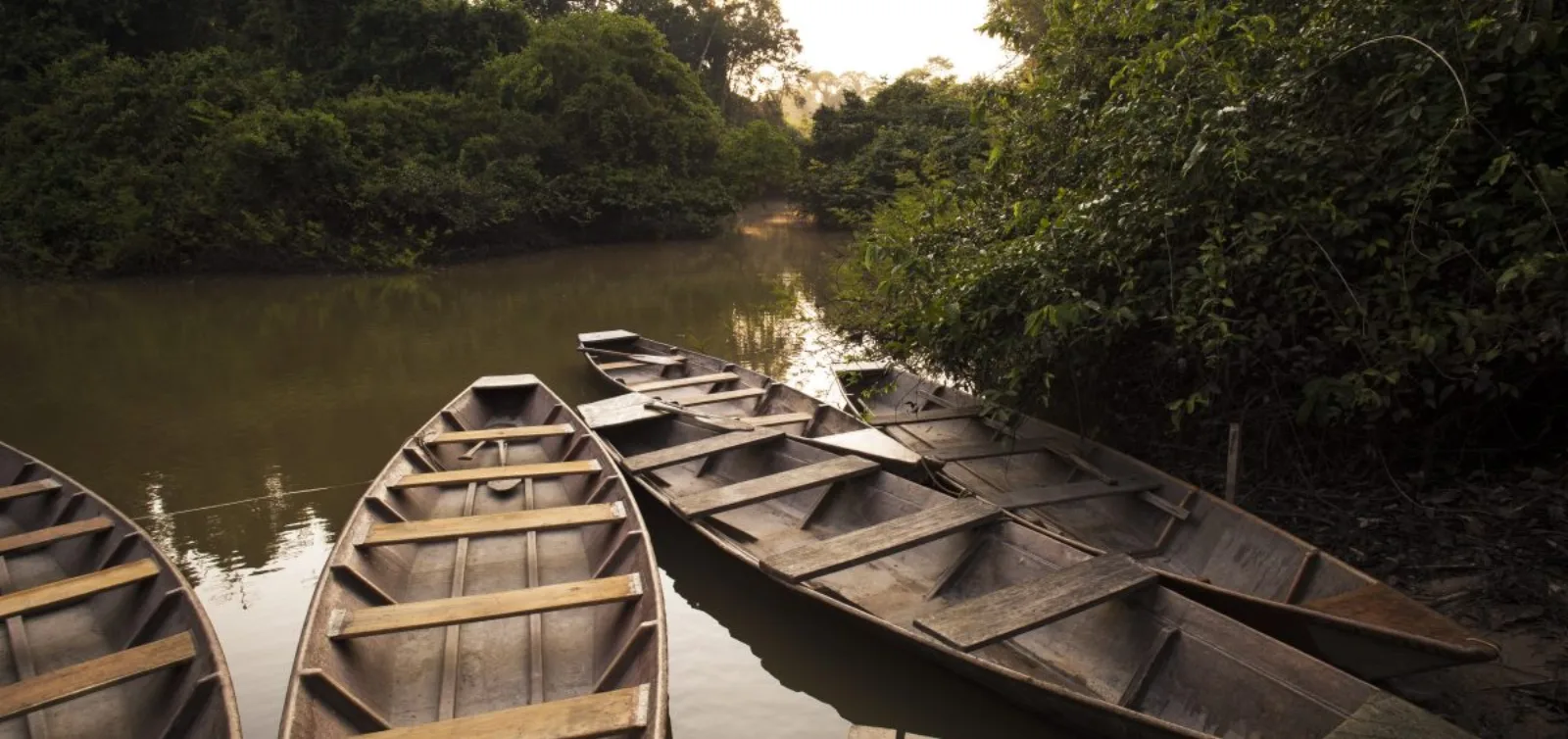
Peru's Amazon is accessible from Cusco via a short flight to Puerto Maldonado, and it's a completely different world from everything else on this list. Jungle lodges like Inkaterra Reserva Amazonica or Refugio Amazonas put you deep in primary rainforest where you can spot macaws, caimans, monkeys, and giant river otters. The contrast between Inca ruins at altitude and the canopy of the lowland jungle, within the same trip, is hard to beat. Budget 3-4 extra days.
Lima
Most international flights route through Lima, and for food-focused travelers it's worth building in a night or two rather than treating it as a layover. The city has become one of the world's great culinary destinations, with restaurants like Central and Maido regularly appearing on global best-of lists, and the ceviche alone is reason to spend an afternoon in Miraflores. The Larco Museum also houses a remarkable pre-Columbian collection. That said, if your time is limited and your priorities are the highlands and the Amazon, Lima is the piece most travelers cut first, and that's a reasonable call.
Arequipa and Colca Canyon
Peru's "White City," built from pale volcanic stone, with some of the finest colonial architecture in South America. From Arequipa, Colca Canyon (one of the deepest canyons on Earth) is a day trip or overnight. The Andean condors soaring on thermals above the canyon are worth the early wake-up alone. This pairs well with a Titicaca visit as a southern Peru loop. Budget 2-3 days.
A classic two-week Peru itinerary might look something like: 2 nights Sacred Valley (acclimatization + exploration), 4-day Inca Trail, 1-2 nights Aguas Calientes, 2 nights Cusco, 3 nights Amazon. Or swap the Amazon for Lake Titicaca and Arequipa for a southern highlands circuit. We build these custom, and the sequence matters more than most people realize. Starting in the Sacred Valley at lower altitude and saving Cusco for the end of your highlands time makes a real difference in how you feel throughout the trip. Let's start planning yours.
A Few Final Thoughts
Machu Picchu lives up to the hype. We've sent hundreds of clients there, and the feedback is almost universally the same: it was worth it. But the gap between a well-planned trip and a poorly-planned one is bigger here than at most destinations, because of the permits, the circuits, the altitude, and the logistics of getting to a place with no roads.
The travelers who have the best experiences are the ones who start planning early, think carefully about which route fits their travel style (not just which one is most famous), and build in enough buffer time that a delayed train or a foggy morning doesn't derail the whole trip.
Start with what matters most to you. The right route, the right season, and the right pacing follow from there.