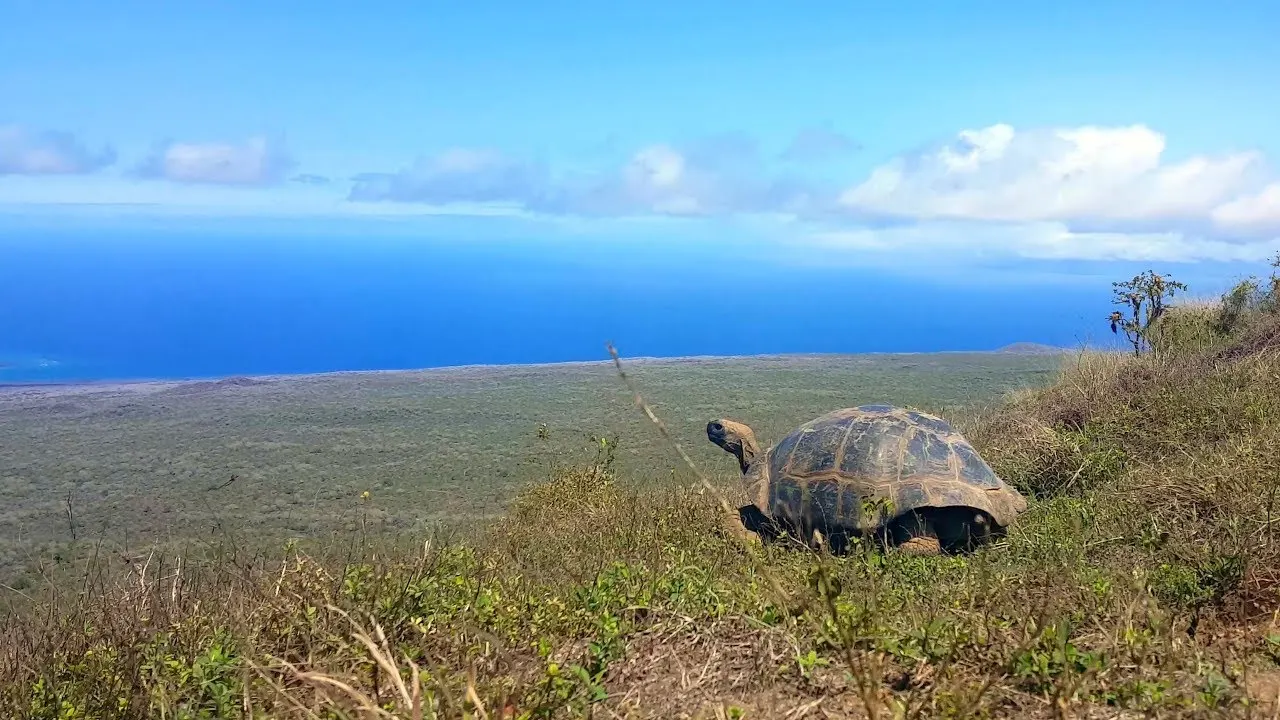
Galápagos Islands
A wildlife-driven destination best experienced through small expedition vessels and carefully planned itineraries.
The Galápagos Islands are one of the most biologically unique places on Earth — a protected archipelago where wildlife evolved in isolation and remains remarkably unafraid of humans. Access is carefully regulated, visitor numbers are limited, and experiences are led by licensed naturalist guides. For travelers who value nature, education, and immersive exploration, the Galápagos offers an experience unlike anywhere else in the world.
Overview
Travel in the Galápagos is shaped by conservation. Visitor numbers, landing sites, and daily activities are strictly controlled by the national park, and most travelers explore the islands as part of a guided program. The result is a destination where experiences feel purposeful, uncrowded, and deeply connected to the natural environment.
Choosing the right travel style — from small expedition yachts to hotel-based island hopping — plays a major role in shaping your experience, and thoughtful planning ensures the right balance of comfort, access, and wildlife encounters.
Best Time to Visit
The Galápagos can be visited year-round, but the experience varies depending on wildlife cycles, sea conditions, and itinerary routing rather than temperature alone.
- January–May: Warmer water, calmer seas, and excellent snorkeling conditions, along with greener landscapes following seasonal rains.
- June–December: Cooler water rich in nutrients, attracting abundant marine life and offering iconic wildlife moments such as breeding seabirds and active marine mammals.
There is no single “best” time to visit — the ideal season depends on whether your priorities lean toward snorkeling comfort, specific wildlife behaviors, or overall cruising conditions.
Top Experiences
Expedition Cruising
Small yachts and expedition vessels allow access to remote islands, multiple daily landings, and in-depth naturalist-led exploration.
Snorkeling & Marine Wildlife
Swim alongside sea lions, marine iguanas, sea turtles, reef sharks, and tropical fish in protected waters.
Guided Wildlife Walks
Daily shore excursions bring you remarkably close to giant tortoises, blue-footed boobies, marine iguanas, and endemic birdlife.
Photography & Natural History
Extraordinary proximity to wildlife and dramatic volcanic landscapes make the Galápagos a standout destination for photographers and nature-focused travelers.
Explore Galápagos Vessels
Compare expedition vessels by class, capacity, and onboard style to understand what best fits your travel priorities.
Islands & Wildlife
While often thought of as a single destination, what you see in the Galápagos depends heavily on itinerary routing. Different regions of the archipelago offer distinct landscapes, wildlife concentrations, and visitor sites, and not all itineraries include all regions.
Central Galápagos Islands (Santa Cruz & Surroundings)
The central islands form the core of many Galápagos itineraries and are often where cruises begin and end, with arrivals typically via Baltra Airport. Santa Cruz Island is a major hub, known for the Charles Darwin Research Station and the highlands, where giant tortoises roam in a completely different environment than the coastal visitor sites.
Central routes provide a strong introduction to the Galápagos, combining iconic wildlife encounters, excellent snorkeling, and conservation-focused interpretation that adds valuable context to what you see on land and at sea.
Western Galápagos (Isabela & Fernandina)
The western side of the archipelago is shaped by some of the youngest volcanic landscapes in the Galápagos and is often the most dramatic region visually. It’s also a standout area for unique endemic species and nutrient-rich waters that can deliver exceptional marine viewing.
Highlights can include flightless cormorants, Galápagos penguins, and snorkeling opportunities where conditions align for remarkable encounters. Western visitor sites are more commonly featured on longer or more wide-ranging itineraries, making route selection especially important for travelers prioritizing this part of the archipelago.
Eastern Galápagos Islands
The eastern islands offer many classic Galápagos experiences and are commonly included on shorter and introductory itineraries. This region is known for sea lion colonies, marine iguanas, nesting seabirds, and sheltered snorkeling sites that are often well suited to first-time visitors.
Eastern sites are frequently paired with central routes, creating a well-balanced trip that combines wildlife, snorkeling, and an unhurried rhythm suited to first-time expedition travelers.
Outer Islands (Genovesa & Española)
The outer islands are particularly valued for their wildlife concentrations and are typically included only on specific or longer naturalist cruise itineraries.
Genovesa, often referred to as “Bird Island,” is renowned for dense seabird colonies, including red-footed boobies and frigatebirds. Española is especially notable as a breeding site for waved albatrosses during the nesting season.
Not all itineraries reach all regions, which is why routing matters as much as the ship itself when planning a Galápagos journey.
Ways to Experience
Naturalist Cruises
Naturalist cruises are widely considered the most immersive way to experience the Galápagos. Traveling aboard small expedition yachts or ships allows access to a broader range of islands, including remote visitor sites that cannot be reached on day trips. Most cruises include two guided landings per day, snorkeling excursions, and onboard interpretation led by licensed naturalist guides.
This approach offers an unmatched combination of wildlife variety, efficient logistics, and educational depth, with daily itineraries shaped by park regulations, weather, and seasonal wildlife activity. For travelers seeking the fullest possible Galápagos experience within a limited timeframe, naturalist cruising is typically the most rewarding option.
Island-Hopping (Hotel-Based Programs)
Island-hopping programs are based in hotels on inhabited islands such as Santa Cruz, Isabela, or San Cristóbal, with guided excursions by boat during the day. This style appeals to travelers who prefer sleeping on land rather than at sea, or who value the flexibility of returning to the same hotel each night.
Island-hopping can also offer greater customization and a more approachable price point, particularly for travelers with specific interests or tighter schedules. However, because excursions are limited by daily travel distances, this approach provides access to fewer remote islands and typically involves more time in transit compared to naturalist cruises. The experience can be very rewarding when expectations are aligned with the itinerary’s scope.
Dive Liveaboards
Dive liveaboards operate separately from naturalist cruises and are designed specifically for experienced divers seeking pelagic encounters at remote sites such as Darwin and Wolf Islands. These programs focus almost entirely on diving and are not suitable for non-divers. We’re happy to advise on dive liveaboards separately for travelers interested in this specialized experience.
Planning Your Trip
Planning a Galápagos journey is less about customizing routes and more about choosing the right framework. Visitor numbers and landings are strictly regulated, availability often matters more than exact dates, and vessel choice has a significant impact on the overall experience.
Sample Journeys
Below are a few representative ways travelers experience the Galápagos. Each itinerary is adapted based on vessel availability, season, and individual priorities.
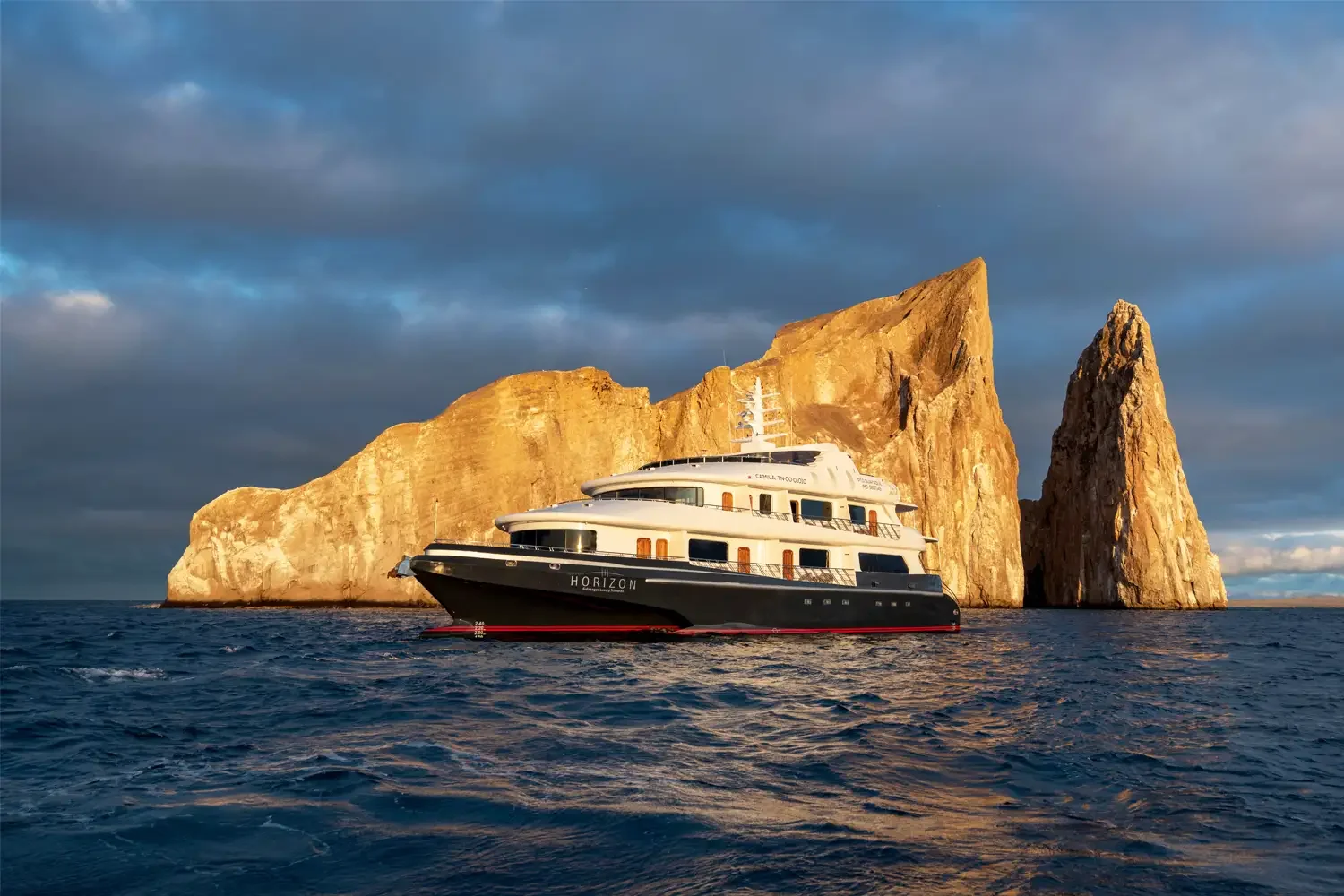
Classic Galápagos Expedition Cruise
The definitive way to see the islands — traveling aboard a small expedition vessel with expert naturalist guides.
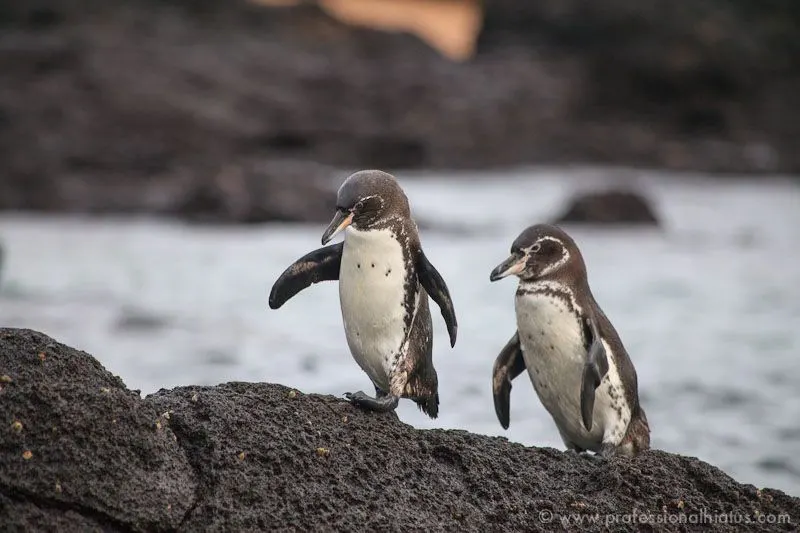
Family Galápagos Expedition Cruise
A family-first Galápagos cruise with a gentler rhythm, flexible activities, and naturalist-guided wildlife encounters designed to keep kids engaged.
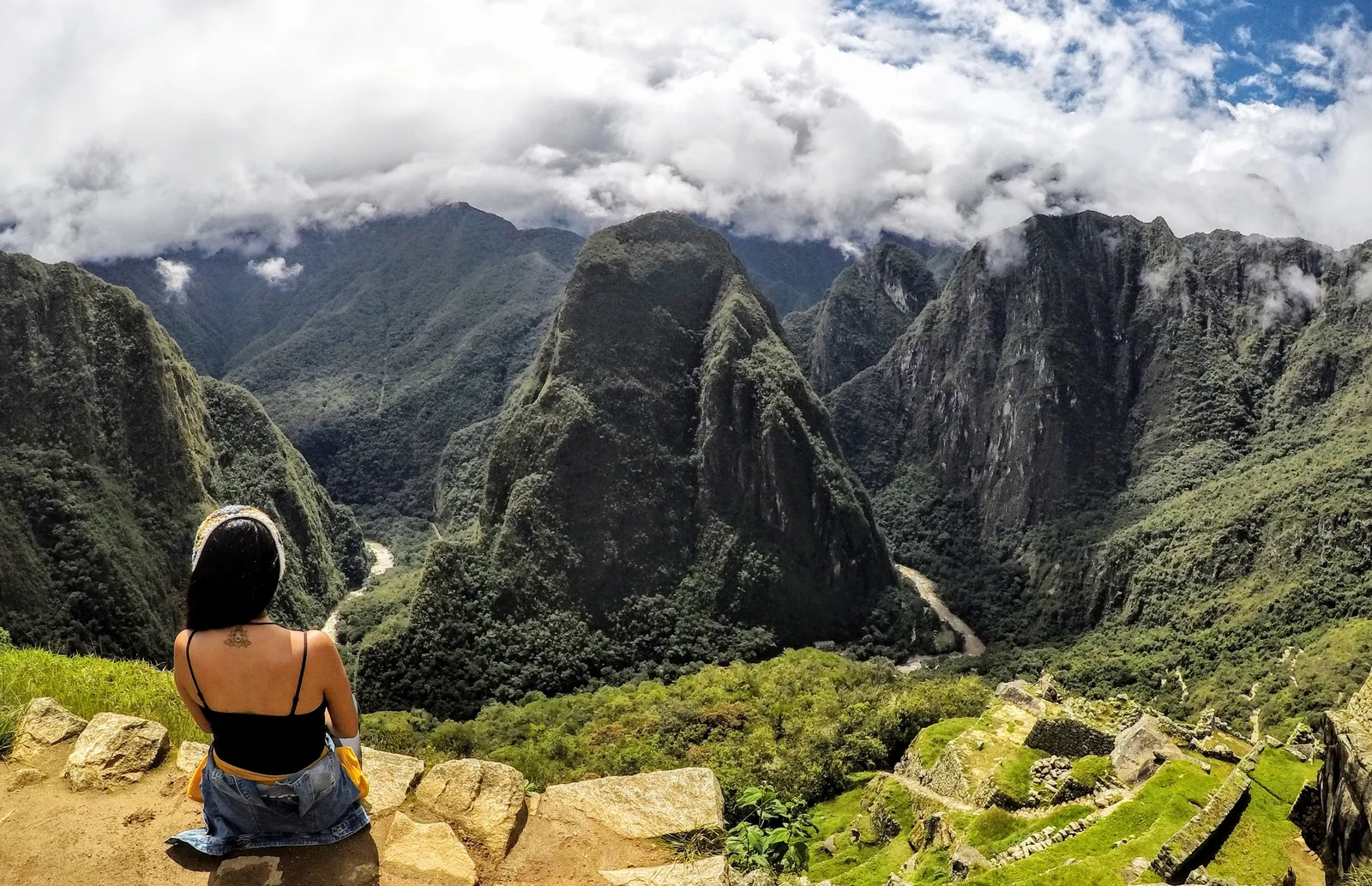
Machu Picchu & the Galápagos
Combine the islands with the Avenue of Volcanoes or Machu Picchu for a comprehensive South American journey.
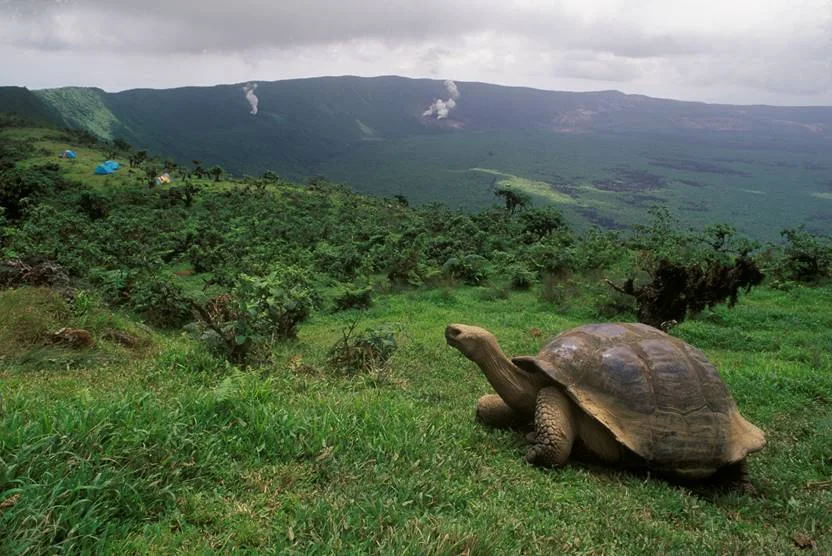
Galápagos Island Hopping
A land-based exploration of Isabela and Santa Cruz with daily guided wildlife excursions, flexible evenings, and a customizable rhythm.
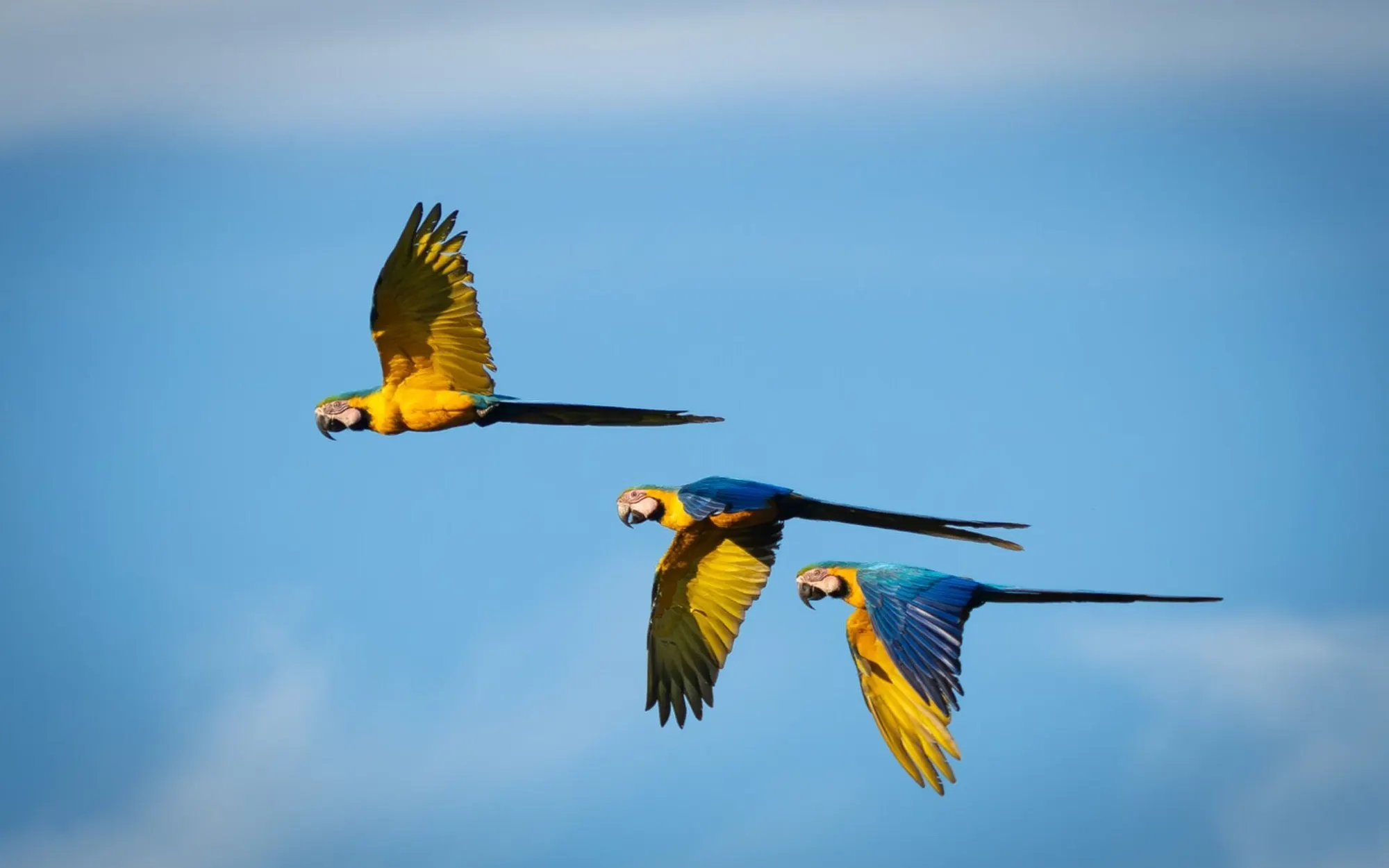
Galápagos & the Ecuadorian Amazon
Pair a Galápagos expedition cruise with time in the Amazon rainforest for a deeper nature-focused journey across Ecuador.
Start Your Journey
Ready to explore the Galápagos Islands? Fill out the form to connect with a dedicated travel designer. We'll help you choose the right vessel, route, and timing for an unforgettable wildlife experience and reply within 24 hours.
Email Us
hello@mindful-travel.netCall Us
+1 (212) 589-8003Plan Your Journey
Connect with a travel designer within 24 hours