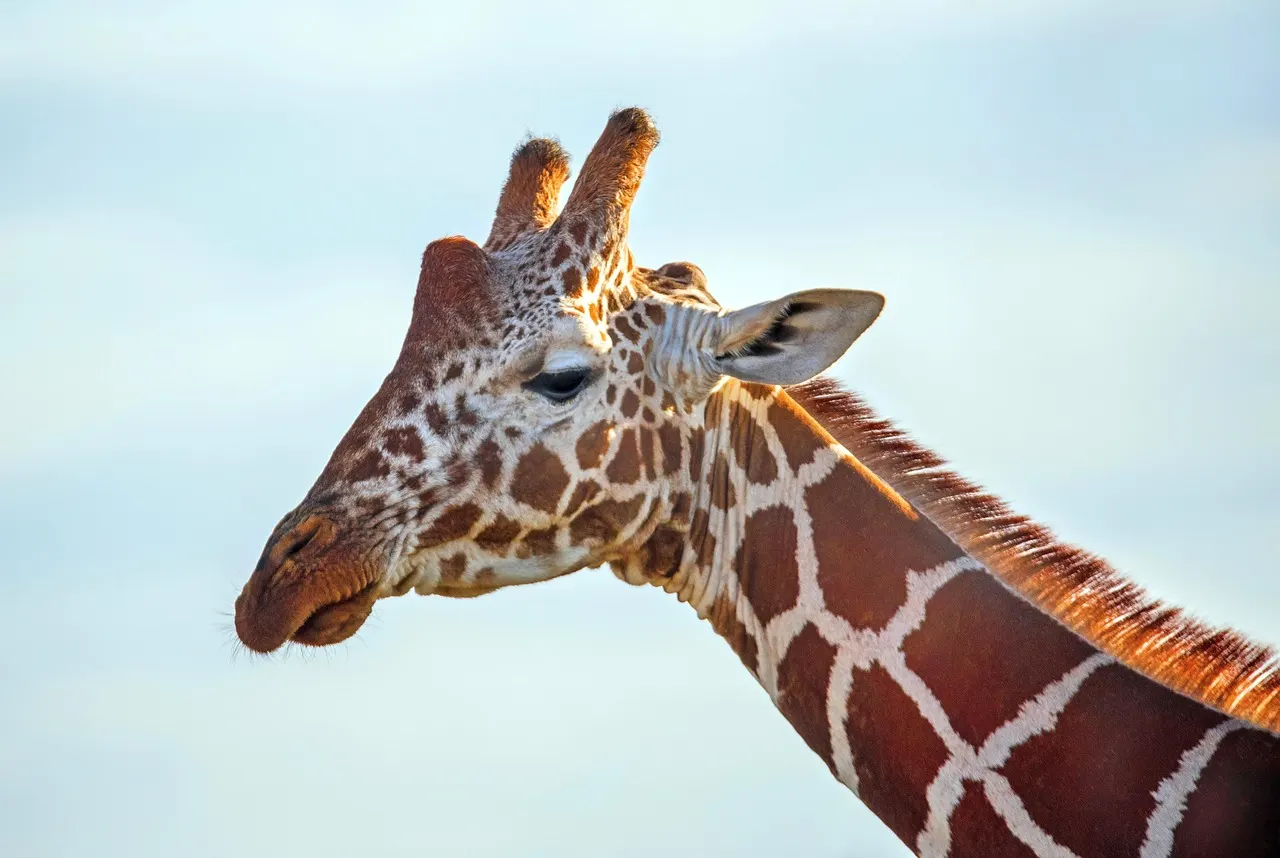
The best time to travel to Africa depends on where you're going and what kind of experience you're seeking. From classic Big Five safaris in Kenya and Tanzania to gorilla trekking in Rwanda, exploring Egypt's ancient temples, or relaxing on the beaches of Zanzibar, Africa's climates and ecosystems vary dramatically by region and season.
This regional guide breaks down the best time to visit Africa based on weather patterns, wildlife viewing conditions, and seasonal highlights. Whether you're planning an East Africa safari, a Southern Africa luxury safari, a North African cultural journey, or an Indian Ocean island escape, this guide will help you align your travel dates with your priorities.
East Africa: Kenya, Tanzania, Rwanda & Uganda
Best Time to Visit: June to October (Long Dry Season). Also Good: January to February (Short Dry Season).
East Africa is synonymous with the classic African safari. Kenya and Tanzania are home to the Serengeti-Mara ecosystem, while Rwanda and Uganda offer world-renowned gorilla trekking experiences. The region experiences two primary dry seasons, generally the best times for wildlife viewing, separated by the short rains (November to December) and the long rains (March to May).
June to October: Prime Safari Season
This is the most popular time for an East Africa safari. Vegetation is thinner, animals gather near water sources, and wildlife is easier to spot.
- Great Wildebeest Migration river crossings typically occur July through September along the Mara River, though exact timing varies by rainfall.
- Cooler temperatures and lower humidity make for comfortable game drives.
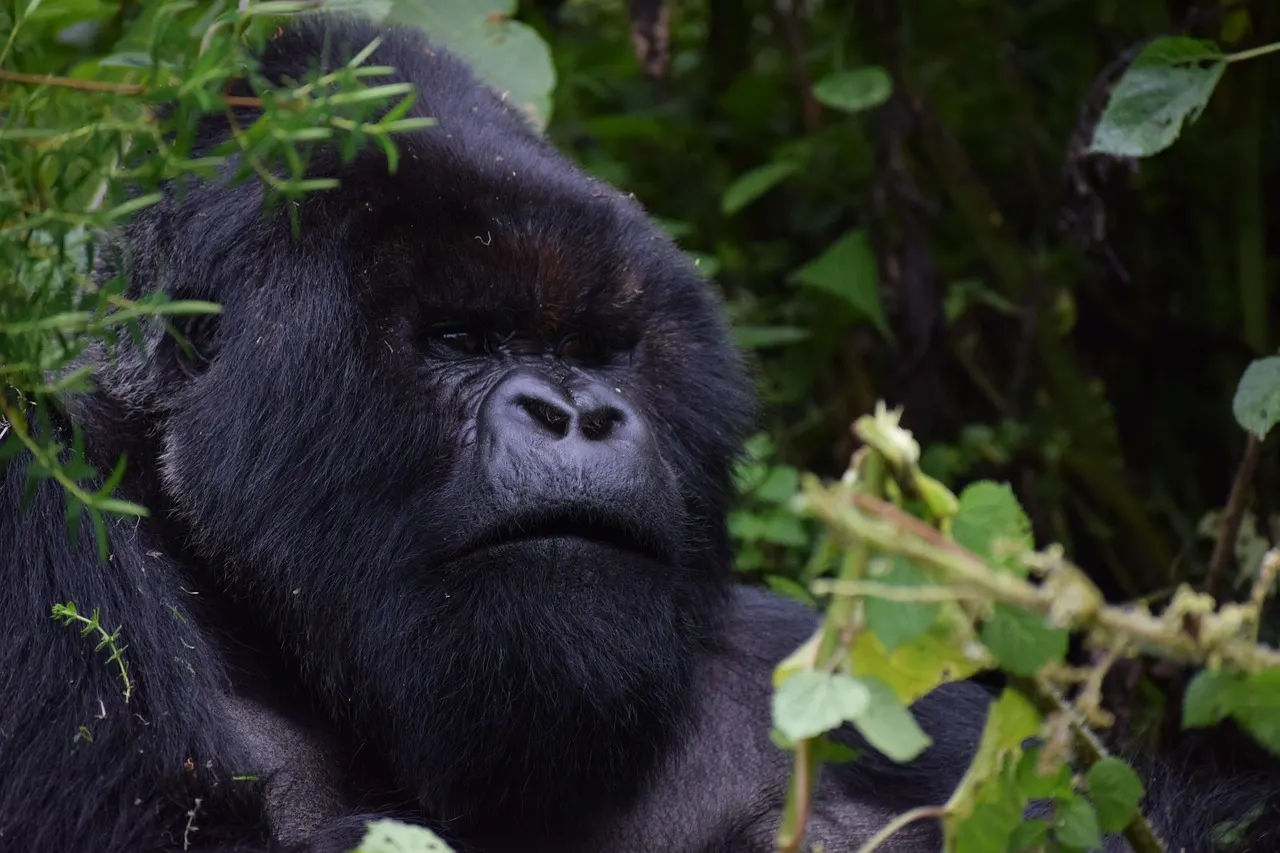
- Ideal conditions for gorilla trekking in Rwanda and Uganda, with drier hiking trails.
Safari camps and gorilla permits often sell out 6 to 12 months in advance during this peak window. Our Kenya & Tanzania: Masai Mara to Serengeti itinerary is designed around this prime season.
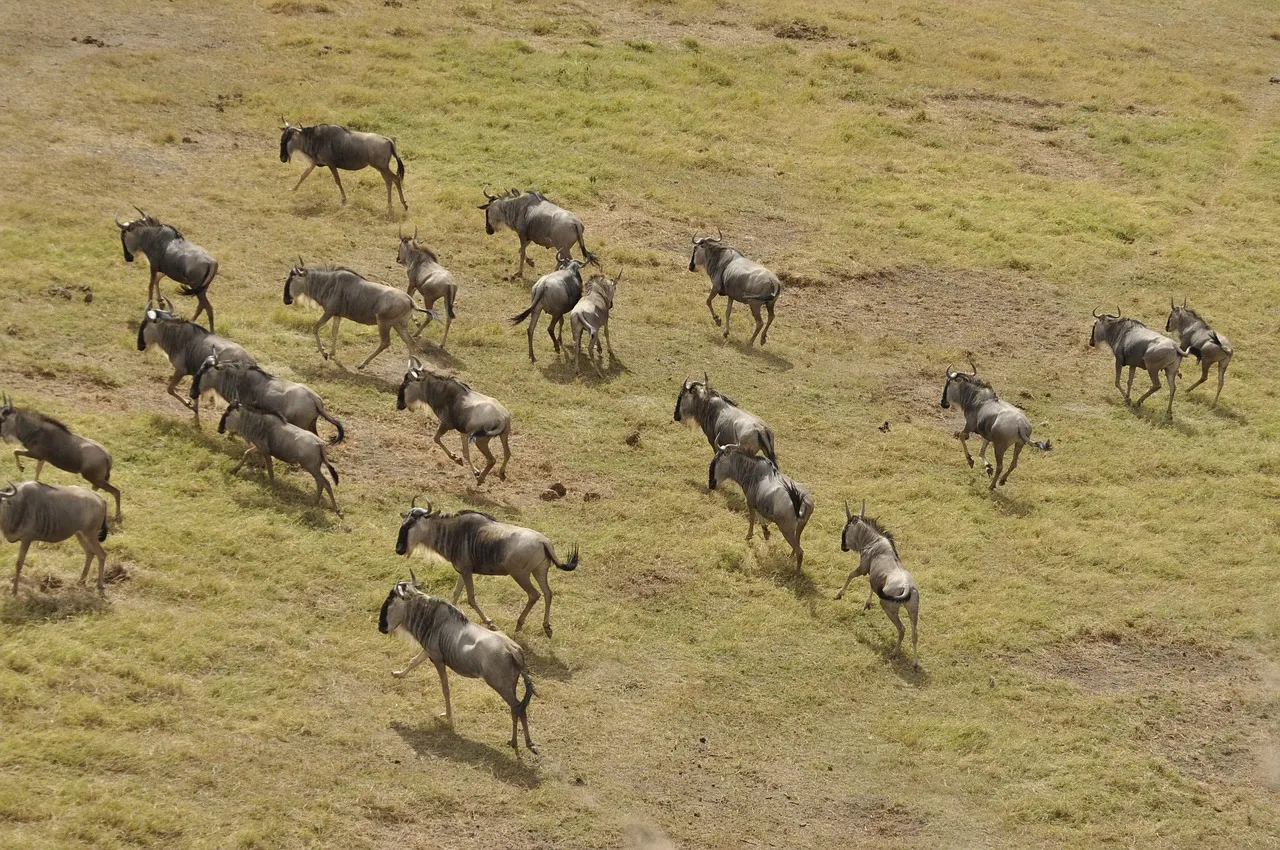
January to February: Calving Season & Fewer Crowds
These short dry months bring clear skies and excellent wildlife viewing.
- In Tanzania's southern Serengeti, this is calving season for wildebeest, attracting significant predator activity.
- Fewer travelers compared to mid-year peak season.
- Strong value relative to peak pricing.
If your goal is the Great Migration, choosing the right camp location matters more than simply choosing the right month.
Southern Africa: South Africa, Botswana, Namibia, Zambia & Zimbabwe
Best for Safaris: May to October (Cool, Dry Winter). Best for Cape Town & Coastlines: November to March.
Southern Africa offers remarkable diversity, from the Okavango Delta and Victoria Falls to Namibia's deserts and South Africa's wine country.
May to October: Exceptional Wildlife Viewing
During the dry winter months, vegetation thins and improves wildlife visibility. Animals concentrate around permanent water sources, and safari conditions are generally more predictable.
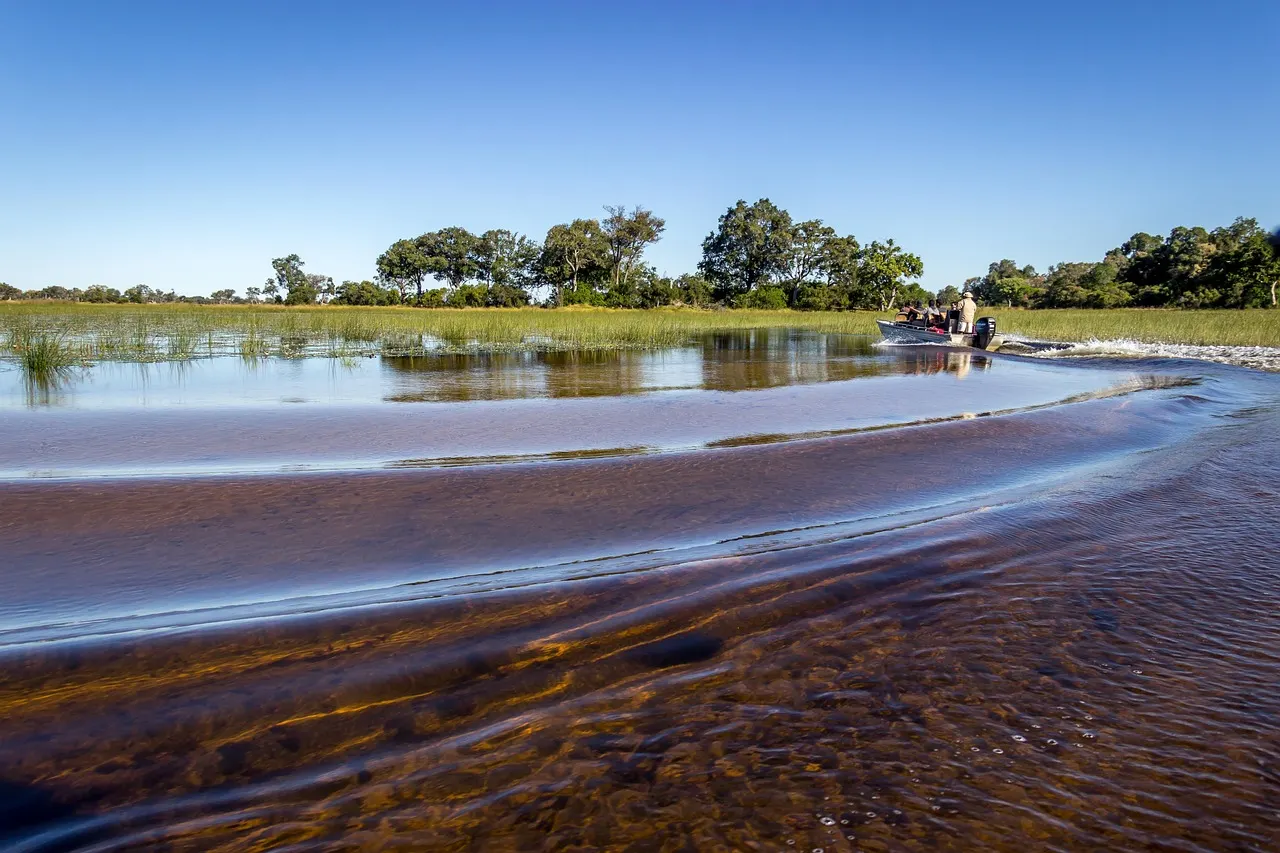
Botswana: This period overlaps with peak flood season in the Okavango Delta, creating dramatic boat safaris and mokoro excursions alongside excellent land-based game viewing in Moremi and private concessions. Our Botswana Wilderness Safari explores the Kalahari, Okavango Delta, and Moremi across 13 days.
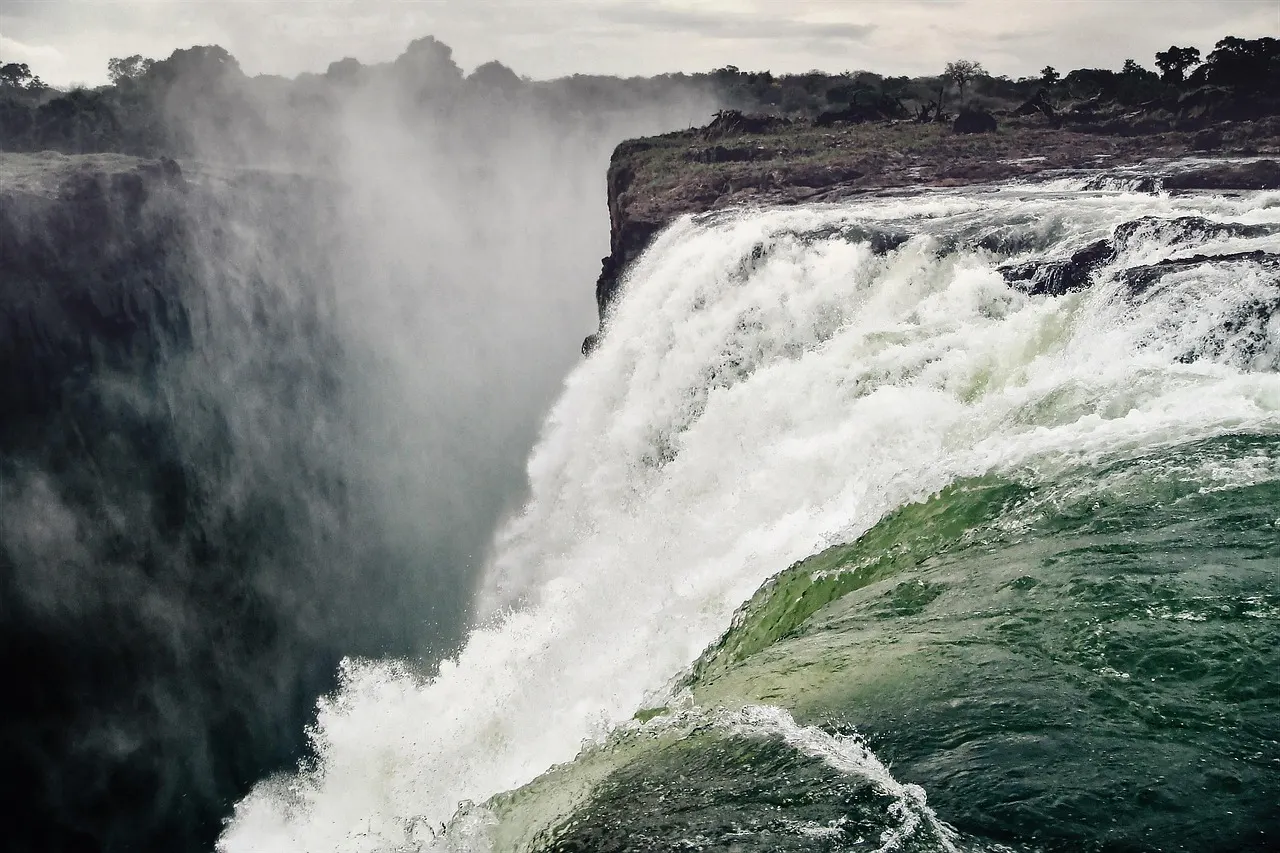
Zambia is known for walking safaris, especially in South Luangwa National Park. Zimbabwe and Victoria Falls offer different experiences depending on timing: April and May showcase the Falls at their most powerful, while August through October offers lower water levels but clearer views.
Namibia: June to October offers cooler temperatures and strong wildlife viewing in Etosha National Park, plus ideal desert conditions in Sossusvlei.
South Africa's Dual Seasons
- Cape Town & the Winelands: Best from November to March with warm, dry summer weather.
- Kruger National Park & Private Reserves: May to October for optimal safari conditions.
Our Cape Town, Kruger Safari & Victoria Falls itinerary combines the best of South Africa with a Victoria Falls finale.
Shoulder months such as May and September often combine excellent wildlife viewing with fewer visitors and better value.
North Africa: Egypt & Morocco
Best Time to Visit: October to April.
North Africa blends ancient history, vibrant culture, and sweeping desert landscapes. Summers can be extremely hot, especially in desert regions.
Egypt
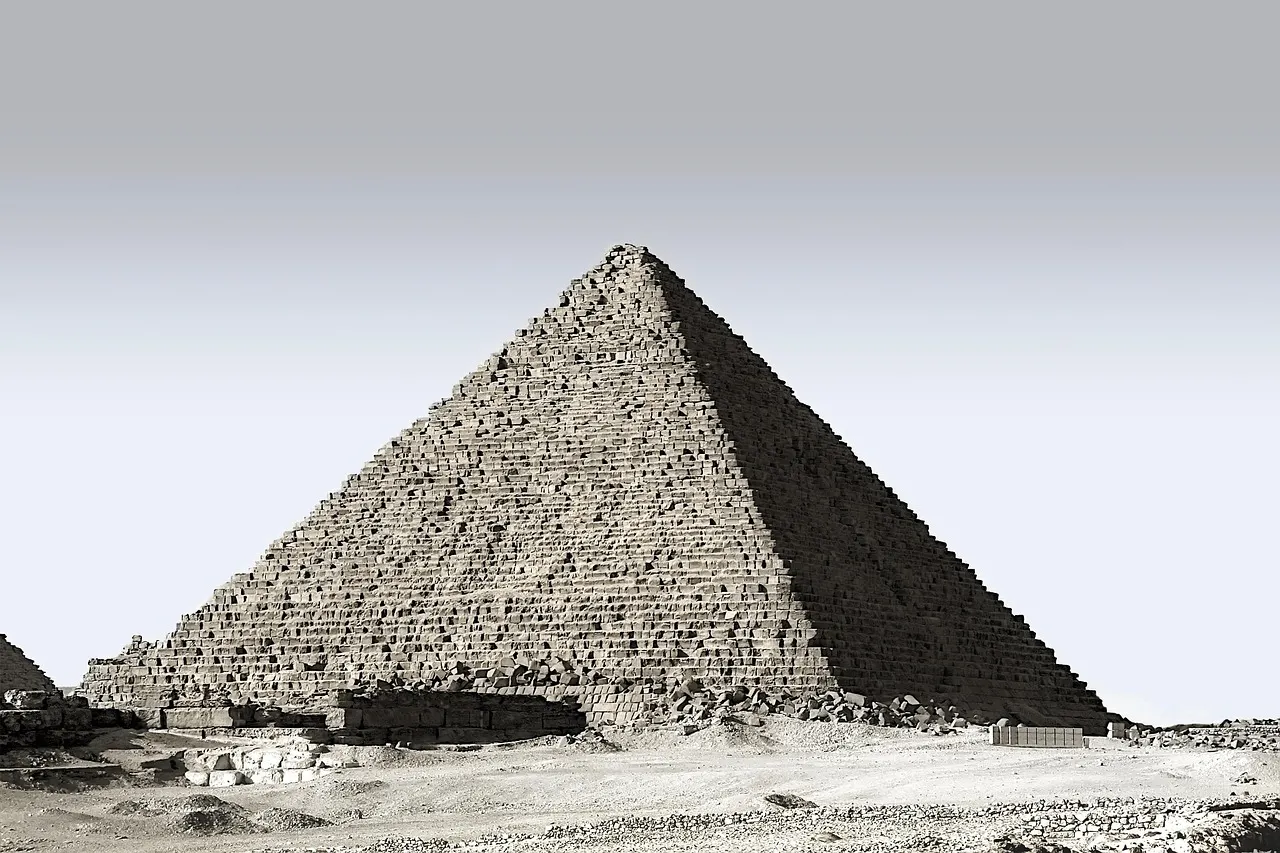
October through April offers comfortable daytime temperatures for exploring the Pyramids of Giza, Luxor's temples and tombs, and Nile River cruises. December and January are busiest. For fewer crowds with strong weather conditions, consider October to November or February to March.
Morocco
With geography spanning the Atlas Mountains, the Sahara Desert, and coastal cities, spring (March to May) and fall (September to November) offer the most comfortable temperatures. These seasons are ideal for hiking, cultural touring, and desert camps. Summer months can exceed 100°F (40°C), particularly inland.
Avoid June through August for Sahara travel unless prepared for extreme heat.
Indian Ocean Islands: Zanzibar, Seychelles, Mauritius & Madagascar
These islands pair beautifully with mainland safaris and offer white-sand beaches, coral reefs, spice markets, and remarkable biodiversity.
Zanzibar
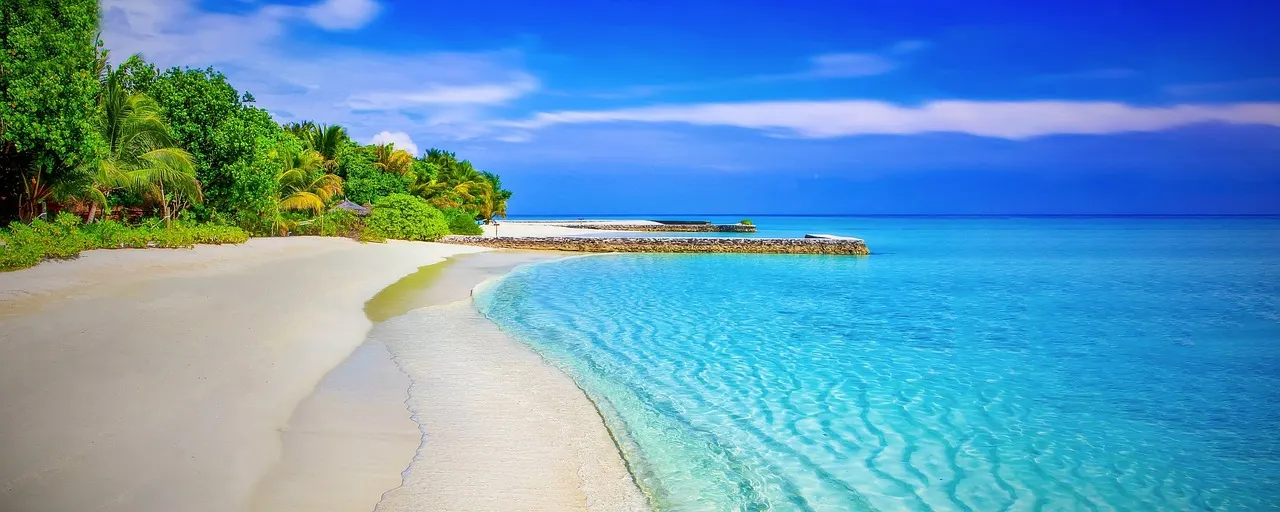
Perfect after a Tanzania or Kenya safari. June to October offers breezy, dry weather. January to February is also excellent for snorkeling and diving.
Seychelles
April to October brings calmer seas and excellent marine visibility, particularly in May and September.
Mauritius
Warm year-round, with cyclone season peaking January through February. Direct hits are rare, but rainfall can increase.
Madagascar
Best from April to December to avoid heavy rains. June to September is ideal for whale watching. Wildlife viewing is strongest during the dry season.
These destinations are especially popular for honeymooners or as a relaxing extension after safari.
So, When Is the Best Time to Visit Africa?
Africa offers extraordinary travel experiences year-round. The ideal timing depends on your priorities.
- Want to see the Great Migration river crossings? Travel July to September in Kenya or Tanzania.
- Planning gorilla trekking? Choose a dry-season window in Rwanda or Uganda.
- Dreaming of Victoria Falls at peak flow? Visit in April or May.
- Looking for a safari-and-beach combination? Pair East Africa's dry season with Zanzibar or Seychelles.
Understanding Africa's seasonal rhythms allows you to optimize for wildlife viewing, weather comfort, and overall experience.
If you'd like help designing a custom African safari or multi-country journey aligned with your preferred travel dates, reach out to our team. We'll tailor your itinerary around the regions, camps, and experiences that match your vision.
Ready to plan your African journey? Start planning today and let us match your travel dates to the best destinations and seasons across the continent.