Antarctica
The most remote wilderness on Earth, reached by small expedition ships and shaped by ice, weather, and careful planning.
Antarctica is unlike any other destination — a vast, ice-bound continent with no permanent residents, no towns, and no roads, where the landscape and wildlife set the terms of every journey. Travel here is by expedition ship, in a narrow summer season, under international rules that protect the environment and limit how many people can go ashore at once. For travelers drawn to dramatic scenery, extraordinary wildlife, and genuine exploration, Antarctica offers an experience that rewards thoughtful preparation.
Overview
Travel in Antarctica is shaped by nature and regulation in equal measure. The season is short, weather and sea ice dictate where ships can go, and international agreements strictly limit how many travelers may be ashore at any one time. Rather than following a fixed schedule, expeditions adapt daily to conditions, which is part of what makes the experience feel genuine and unscripted.
Choosing the right voyage — from the classic Peninsula crossing to longer wildlife expeditions — plays a major role in shaping your experience, and the vessel you sail on matters as much as the route. Thoughtful planning ensures the right balance of comfort, access, and time in the places that matter most to you.
Best Time to Visit
The Antarctic travel season is narrow, running only through the austral summer from roughly November to March. Within that window, the experience changes meaningfully from month to month as ice retreats, wildlife cycles progress, and daylight lengthens.
- November–early December: Pristine snow and dramatic ice, courting penguins, and active rookeries as the season begins. The best window for the rare early-season emperor penguin voyages.
- December–January: Peak season, with the longest days, the warmest conditions, and penguin chicks hatching. The most popular time to travel and the best all-around choice for first-time visitors.
- February–March: The best whale watching of the season, fur seal and penguin chicks growing more active, and the strongest chance of crossing the Antarctic Circle as sea ice retreats.
There is no single “best” time to visit — the ideal window depends on whether your priorities lean toward pristine ice and penguins, peak-season conditions, or whales and reaching further south.
Top Experiences
Expedition Cruising
Small expedition ships reach remote coastlines, channels, and landing sites, with daily exploration led by experienced polar expedition teams.
Zodiac & Shore Landings
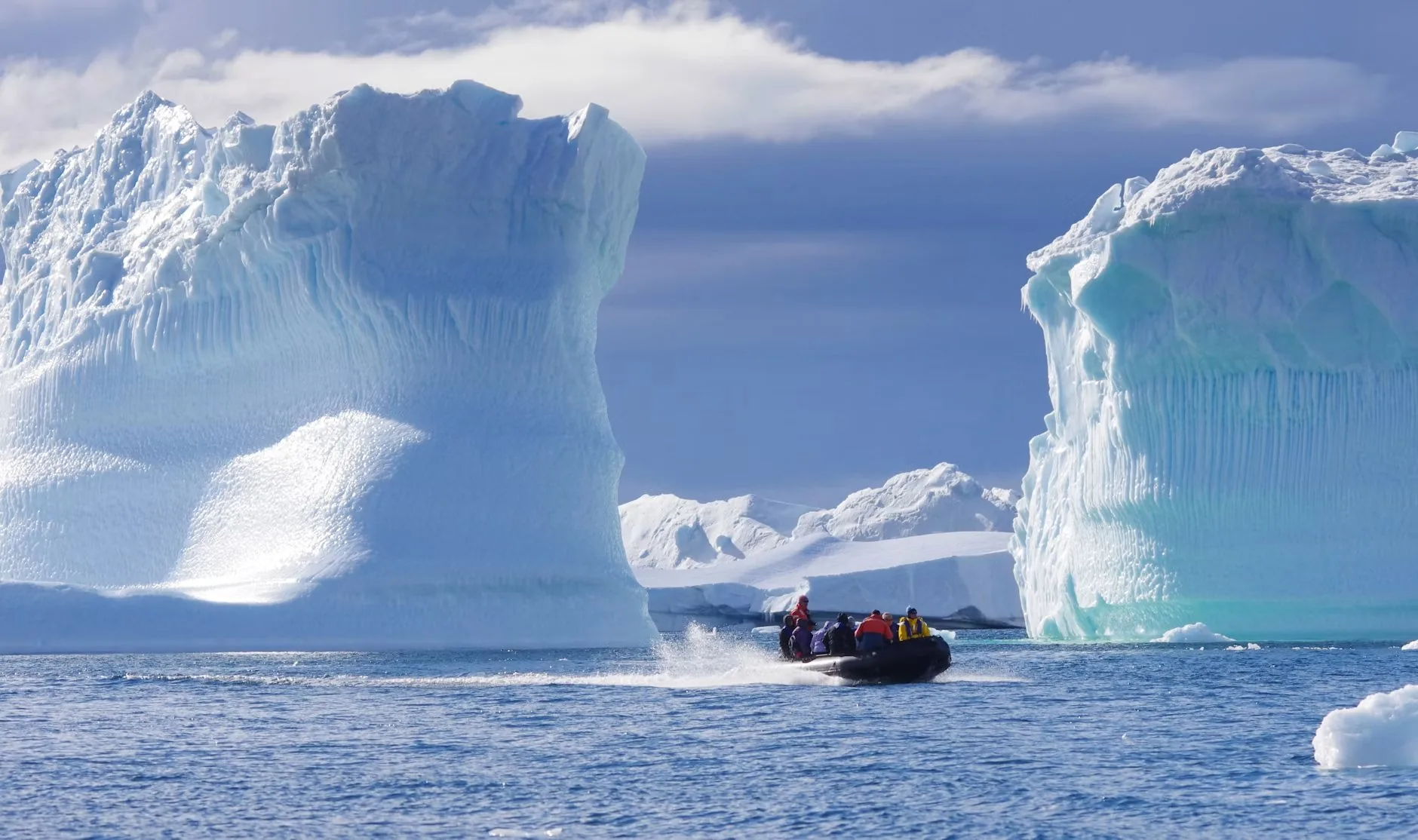
Nimble Zodiac boats carry small groups ashore and cruise among icebergs and wildlife, bringing you close to the landscape at water level.
Wildlife Encounters
Penguin colonies, humpback and minke whales, seals, and abundant seabirds, observed at close range under the guidance of naturalists.
Photography & Polar Landscapes
Towering icebergs, glaciated peaks, and extraordinary light make Antarctica one of the most rewarding destinations on Earth for photographers.
Explore Antarctica Vessels
Compare expedition ships by capacity, ice class, onboard style, and included activities to understand what best fits your travel priorities.
Regions & Routes
While often thought of as a single destination, what you see in Antarctica depends heavily on the route you choose. Different voyages reach different regions, vary considerably in length, and offer distinct landscapes and wildlife — and not all itineraries include all areas.
The Antarctic Peninsula
The Peninsula is the most visited part of Antarctica and the heart of most expeditions. Reaching south from the tip of South America, it offers the continent’s most accessible combination of dramatic scenery, abundant wildlife, and reliable landing sites, making it the classic choice for a first Antarctic journey.
Here you can expect towering glaciers, sheltered channels filled with icebergs, gentoo and chinstrap penguin colonies, and excellent chances of whales. Most Peninsula voyages run ten to twelve days, including the crossing from Ushuaia and back.
Crossing the Antarctic Circle
For travelers who want to push deeper, some voyages continue south of the Peninsula to cross the Antarctic Circle at 66°33′ — a genuine geographic milestone reached by only a minority of visitors. These itineraries typically run twelve to fourteen days.
Because crossing the Circle depends on retreating sea ice, these voyages run later in the season, generally from January onward. The reward is more remote scenery, fewer ships, and the deep-south landscapes of regions such as Marguerite Bay.
The Falklands & South Georgia
The longest expeditions combine the Antarctic Peninsula with the Falkland Islands and South Georgia, often called the “Serengeti of the Southern Ocean.” These wildlife-focused voyages run roughly eighteen to twenty-three days and are the richest way to experience the region’s animal life.
South Georgia is the highlight, with king penguin colonies numbering in the hundreds of thousands, elephant seals, and vast seabird populations. The trade-off is time: reaching it requires additional days at sea, which is why these itineraries are considerably longer.
The Drake Passage
Most voyages sail from Ushuaia across the Drake Passage, the stretch of open ocean between South America and Antarctica. The crossing takes about two days each way and can be calm or rough depending on conditions — for many travelers it is part of the adventure and a rite of passage.
Time at sea is far from idle, with naturalist lectures, seabird watching from the decks, and a building sense of anticipation. Travelers who prefer to save time or avoid the crossing can instead fly directly to the Peninsula on select fly-cruise itineraries.
Not all voyages reach all regions, which is why route selection matters as much as the ship itself when planning an Antarctic journey.
Ways to Experience
Expedition Cruise (Sailing the Drake)
The classic way to experience Antarctica is aboard a small expedition ship that sails from Ushuaia across the Drake Passage. Traveling this way provides the fullest sense of the journey — the gradual approach by sea, the building anticipation, and the satisfaction of the traditional crossing — along with daily Zodiac landings and exploration led by an experienced expedition team.
This approach suits travelers who want the complete expedition experience and view the Drake crossing as part of the adventure rather than an obstacle. It is the most common and widely recommended way to visit.
Fly-the-Drake (Air-Cruise)
Fly-cruise itineraries skip the sea crossing by flying directly between Punta Arenas, Chile, and an airstrip on the South Shetland Islands, where travelers board their expedition ship. This saves roughly three to four days and avoids the open-ocean crossing altogether.
This style appeals to travelers with limited time, those concerned about seasickness, or anyone who would rather maximize time on the Peninsula itself. The trade-offs are a higher price point, limited departures, and dependence on weather windows for the flights.
Longer Wildlife & Specialty Voyages
Beyond the classic Peninsula trip, longer and more specialized voyages reach the Falklands and South Georgia for extraordinary wildlife, cross the Antarctic Circle, or pursue rare experiences such as the early-season emperor penguin expeditions. These voyages reward travelers with more time and specific interests, and we’re happy to advise on them individually for those seeking something beyond the classic route.
Choosing Your Voyage
With so much variety in routes, ships, and timing, choosing the right Antarctic voyage comes down to a handful of decisions that shape the entire experience. Understanding these early makes planning far more straightforward.
- Route and length: A classic Peninsula crossing runs ten to twelve days; crossing the Antarctic Circle adds a few more; and a full Falklands and South Georgia wildlife expedition runs three weeks or more. The right choice depends on your time and priorities.
- Sailing vs. flying the Drake: Sailing offers the traditional crossing and the complete expedition feel, while flying saves several days and avoids the open ocean at a higher cost.
- Ship size: International rules limit landings to one hundred passengers ashore at a time, and ships carrying more than five hundred passengers cannot land at all. Smaller ships generally mean more time ashore and a more flexible expedition.
- Included activities: Zodiac cruising and landings are standard, but options such as kayaking, camping, snowshoeing, and photography programs vary by operator — some include them, others charge extra, and spaces are often limited.
One principle applies to every voyage: Antarctic itineraries are never fixed. The captain and expedition team set the route day by day based on weather, ice, and wildlife, so specific landing sites are never guaranteed. You are booking an expedition, not a rigid schedule — and that flexibility is exactly what makes each journey unique.
Planning Your Trip
Planning an Antarctic journey is less about customizing routes and more about choosing the right voyage and securing space early. The season is short, the best ships and departures sell out far in advance, and vessel choice has a significant impact on the overall experience.
Sample Voyages
Below are a few representative ways travelers experience Antarctica. Each voyage is adapted based on vessel availability, season, and individual priorities.
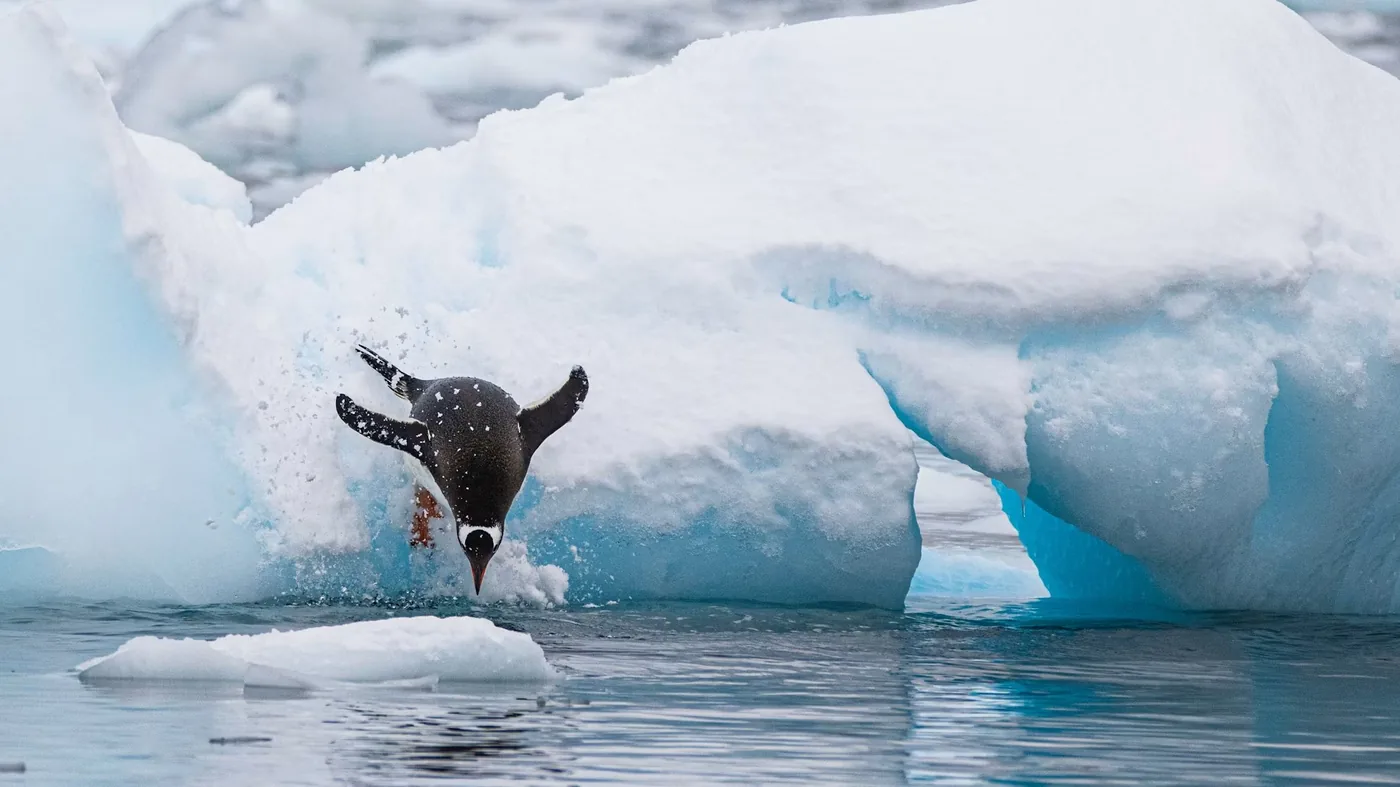
Classic Antarctic Peninsula
The definitive Antarctic journey — sailing the Drake Passage to the Peninsula for icebergs, penguin colonies, whales, and daily Zodiac landings.
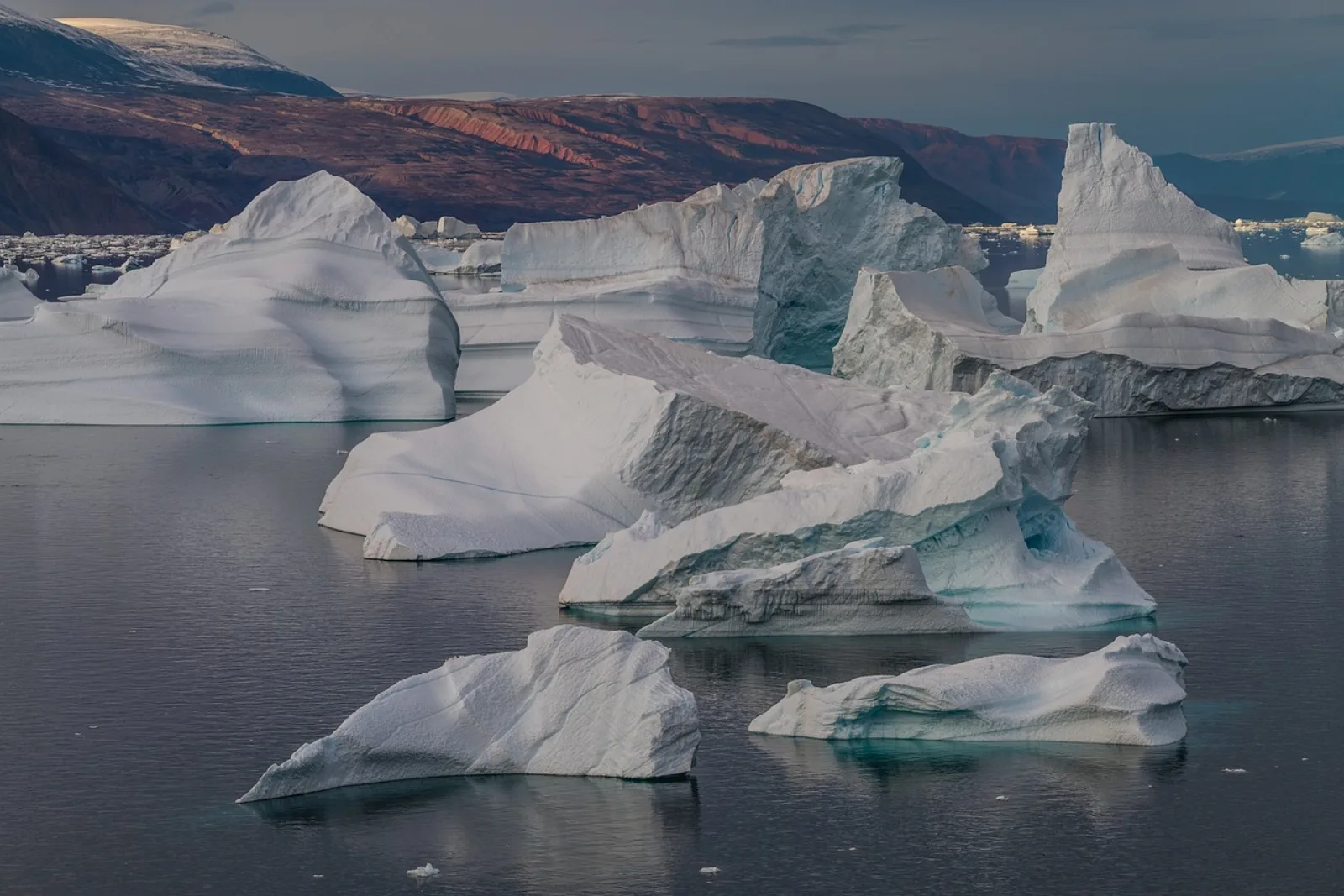
Crossing the Antarctic Circle
A deeper expedition that pushes south of the Peninsula to cross 66°33′ — more remote scenery, fewer ships, and a genuine polar milestone.
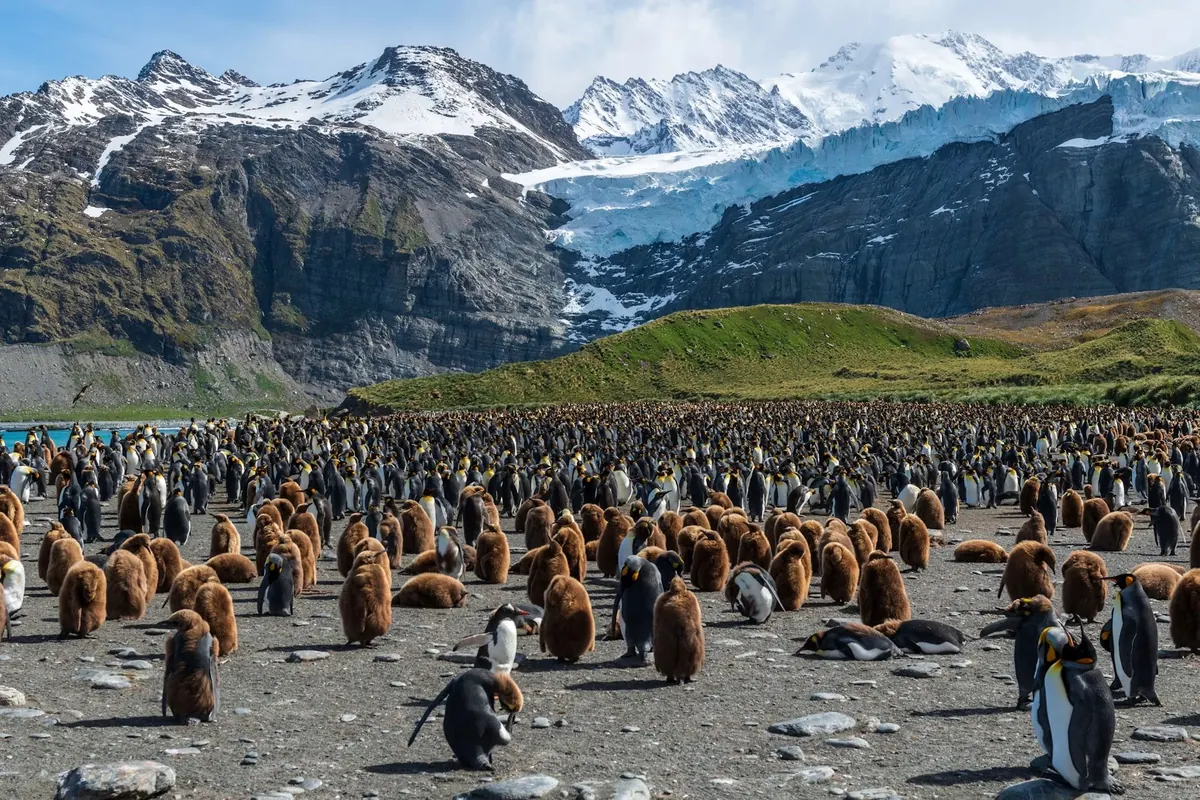
Falklands, South Georgia & Peninsula
The ultimate wildlife expedition — combining the Peninsula with the Falklands and South Georgia’s vast king penguin colonies over three weeks or more.
Start Your Journey
Ready to explore Antarctica? Fill out the form to connect with a dedicated travel designer. We'll help you choose the right vessel, route, and timing for an unforgettable polar expedition and reply within 24 hours.
Email Us
hello@mindful-travel.netCall Us
+1 (212) 589-8003Plan Your Journey
Connect with a travel designer within 24 hours